DNS による攻撃対象領域の縮小
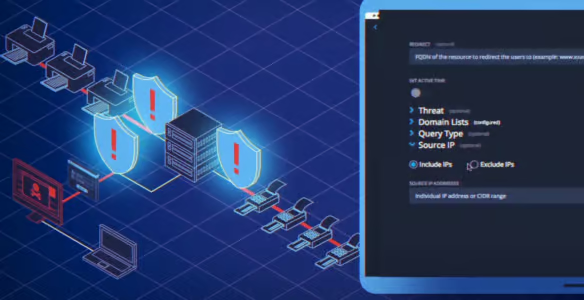
この動画では、BlueCat DNS Edge を使用して、クライアントレベルのポリシーを設定し、使い捨てデバイスを厳格に管理することで、攻撃対象領域を縮小する方法について解説します。


 主なポイント要点はAIの支援により生成されています。自動生成された要約には、時折誤りがあったり、重要な文脈が抜け落ちたりする場合があるため、完全な情報を得るには、必ずブログ記事の全文をご参照ください。
この記事は、BlueCat DNS Edgeを用いてユーザーやデバイスが意図せずダウンロードする悪意あるペイロードやウイルスによるリスクをDNSレベルで低減する方法を説明します。問題は多くの場合DNS接続を介して発生し、DNS EdgeはクライアントレベルでのDNSセキュリティポリシー適用と最小権限の原則により攻撃対象領域を縮小します。さらに、DNS EdgeはセキュリティカメラやPOS端末など単一用途デバイスを必要最小限のドメインや資産へのアクセスに制限し、権限のないユーザーやデバイスから機密データを保護します。
DNS Edgeはどのようにして攻撃対象領域を縮小しますか?
DNS EdgeはクライアントレベルでDNSセキュリティポリシーを適用することで攻撃対象領域を縮小します。組織が最小権限の原則を遵守すると、DNS Edgeはユーザーやデバイスが不要または悪意あるドメインへ接続するのを防ぎ、結果としてマルウェアやウイルスのダウンロード経路を断ちます。記事はこの機能により権限のないアクセスを防ぎ、ネットワーク全体のリスクを低減すると説明しています。
単一用途デバイス(例:セキュリティカメラ、POS端末)に対してDNS Edgeはどんな管理を行いますか?
DNS EdgeはセキュリティカメラやPOS端末など単一用途の接続デバイスを厳重に管理し、これらのデバイスが本当に必要とするドメインや資産へのみアクセスを許可します。この記事は、こうした制限により不要な外部接続や脆弱性の露出を減らし、機密データやネットワーク資産への権限のないアクセスを防ぐと説明しています。結果として、デバイスごとに最小限の通信先に限定することで攻撃面を狭めます。
この記事で示された追加リソースは何ですか?
記事はDNS Edgeを使用して攻撃対象領域を縮小する方法を解説する動画へのリンクを示しています。具体的には、Vimeoの動画 URL(https://vimeo.com/306840265)が提供されており、そこからDNS Edgeの機能や設定による具体的な実装や運用上の効果を視聴して確認できます。記事本文自体はこの動画を参照することで詳細を補完することを案内しています。
知らず知らずのうちに、ユーザーは悪意のあるペイロードやウイルスをダウンロードしてしまうことがよくあります。こうした脆弱性は、多くの場合、DNS接続を介して引き起こされます。「最小権限の原則」を遵守する組織は、BlueCat DNS Edgeがクライアントレベルで設定するDNSセキュリティポリシーを適用することで、攻撃対象領域を縮小することができます。 また、DNS Edgeは、セキュリティカメラやPOS端末などの単一用途の接続デバイスを、真に必要なドメインや資産のみにアクセスを制限することで、厳重に管理します。いずれの場合も、DNS Edgeは、権限のないユーザーやデバイスが機密データにアクセスするのを防ぐことで、ネットワークを保護します。
この動画では、DNS Edge を使用して攻撃対象領域を縮小する方法について解説しています。