
Unternehmensstrategien für KI-Inferenz am Netzwerkrand
Eine neue EMA-Studie unter 319 IT-Fachleuten zeigt, wie Unternehmen ihre Netzwerke, ihr DNS, ihr DHCP und ihr IP-Adressmanagement darauf vorbereiten, KI-Inferenz an Remote-Standorten, in Zweigstellen, Lagern und Fabriken auszuführen.

 Die wichtigsten ErkenntnisseDie wichtigsten Erkenntnisse werden mithilfe von KI generiert. Da automatisierte Zusammenfassungen gelegentlich Fehler enthalten oder wichtige Zusammenhänge auslassen können, sollten Sie für vollständige Informationen stets den vollständigen Blogbeitrag lesen.
A BlueCat-commissioned EMA study of 319 IT professionals reveals that organizations deploying AI inference at network edges—such as branch offices, warehouses, and factories—must upgrade their DNS, DHCP, and IP address management (DDI) infrastructure to handle the scale and speed of these workloads. The research shows that only 40% of IT teams fully trust their network readiness for edge AI, yet 97% are enhancing their DDI stacks, with 77% of companies reporting complete success having invested in network modernization and centralized DDI management. BlueCat's unified DDI solution addresses this challenge by consolidating address management, DNS security, and automation under a single platform, enabling organizations to deploy edge inference at multiple locations with fewer exceptions and policies that scale with their projects.
dass KI aus dem Rechenzentrum an die Orte verlagert wird, an denen die Arbeit tatsächlich stattfindet. Bei der Edge-KI-Inferenz werden trainierte Modelle nahe am Ort der Datenerzeugung ausgeführt, sodass Entscheidungen in Echtzeit getroffen werden, anstatt erst nach einem Hin- und Rückweg zur Cloud. Das stellt das Netzwerk vor neue Herausforderungen.
Enterprise Management Associates (EMA) hat festgestellt, dass nur 43 % der Unternehmen von einem vollständigen Erfolg ihrer Edge-Inferenz-Strategie berichten und nur 40 % vollkommen davon überzeugt sind, dass ihre Netzwerke bereit sind. Die meisten setzen nicht auf einen einzigen Standort: 64 % verteilen die Workloads zwischen Edge-Standorten und der Cloud oder Rechenzentren. Nahezu alle rüsten mehrere Schichten des Netzwerks auf, um mit dem Umfang und der Geschwindigkeit der Veränderungen Schritt zu halten, und 97 % verbessern ihren DDI-Stack (DNS, DHCP und IP-Adressverwaltung). Diese entscheidende Grundlage weist jeder neuen Workload eine Adresse und einen Namen zu.
Diese Studie ist für Führungskräfte in den Bereichen Netzwerk, Infrastruktur, Sicherheit und KI von Bedeutung, die ein gemeinsames Problem haben: KI ist nur so zuverlässig wie das ihr zugrunde liegende Netzwerk.
Was die Studie aufzeigt
Edge-KI wird in vielen Unternehmen in den produktiven Einsatz überführt, doch die Ergebnisse sind uneinheitlich. Die EMA-Studie unter 319 IT-Fachleuten ergab, dass die meisten Unternehmen Inferenz-Workloads zwischen Edge-Standorten und der Cloud oder Rechenzentren aufteilen und dass die Netzwerkbereitschaft ein wiederkehrender entscheidender Faktor zwischen erfolgreichen und ins Stocken geratenen Projekten ist.
Unternehmen, die Standortkonzepte standardisieren und Netzwerk- sowie KI-Teams aufeinander abstimmen, berichten von besseren Ergebnissen als solche, die jeden Standort individuell anpassen. Sicherheit, „Shadow-KI“ und Datenhoheit zählen zu den wichtigsten Anliegen. Um Schritt zu halten, rüsten fast alle Unternehmen mehrere Schichten des Netzwerks auf.
Unter den von der EMA genannten Technologien sticht ein einziger, integrierter DDI-Stack als führende PlattForm zur Konsolidierung der Steuerungsebene hervor, und viele verlagern die DNS-Auflösung näher an die Workloads, die darauf angewiesen sind.
Wichtige Forschungsergebnisse

43 %
der Unternehmen berichten von einem vollständigen Erfolg ihrer Edge-Inferenz-Strategie“

40 %
, dass IT-Fachleute voll und ganz davon überzeugt sind, dass ihre Netzwerke für Edge-KI bereit sind

64 %
die Aufteilung der Inferenz-Workloads zwischen Edge-Standorten und der Cloud oder Rechenzentren

97 %
ihre DDI-Stacks zu erweitern, um Edge-Inferenz zu unterstützen

53,3 %
benötigt eine automatisierte IP-Adressverwaltung, um das Volumen und die Geschwindigkeit der Edge-KI-Änderungen zu bewältigen

44,2 %
eine verteilte DNS-Auflösung mit Edge-Resolvern, um die Latenz für Inferenz-Workloads zu reduzieren
Key findings
The gap between ambition and results for edge inference starts with the network. Among respondents who reported complete success, 77% had complete confidence in their network’s readiness. And 98% of organizations say they need to upgrade at least some part of their network, from cloud interconnections and WAN connectivity to network security and edge switching.
But confidence is not experienced evenly. Executives tend to see a smoother road than the engineers on the ground, and EMA flags that disconnect as a warning sign. Alignment matters here, too. Among the respondents whose network and AI teams are very aligned, 61% call their network a strong enabler of AI.
Complexity is the real enemy at the edge. Remote sites differ in space, power, connectivity, and staffing, so a standard design is hard to apply. But organizations that hold to a single standard report the best outcomes, while site-by-site customization stretches engineering teams thin. EMA also found that executives perceive more standardization than technical staff do, which suggests hidden exceptions are piling up. EMA points to this complexity as the likely reason why highly distributed enterprises cover sites that cannot host workloads locally with workloads in data centers and public cloud.
The control plane is where these pressures meet. Every new workload, agent, and device needs an IP address, a DNS record, and a policy, and manual processes cannot keep pace. Enterprises are upgrading a range of technologies, and 97% are enhancing their DDI stacks, the critical foundation for addressing and naming. About half (49%) plan to consolidate multiple control planes onto a single platForm, and EMA names a DDI management solution as a leading option.
The most successful organizations did two things at once: They centralized the control plane and pushed some of its functions out to the edge.
However, security raises the stakes: 63% worry that unsanctioned agents will create security vulnerabilities, and organizations that used DNS-based controls and continuous monitoring to enforce data sovereignty reported more success.
What the data shows
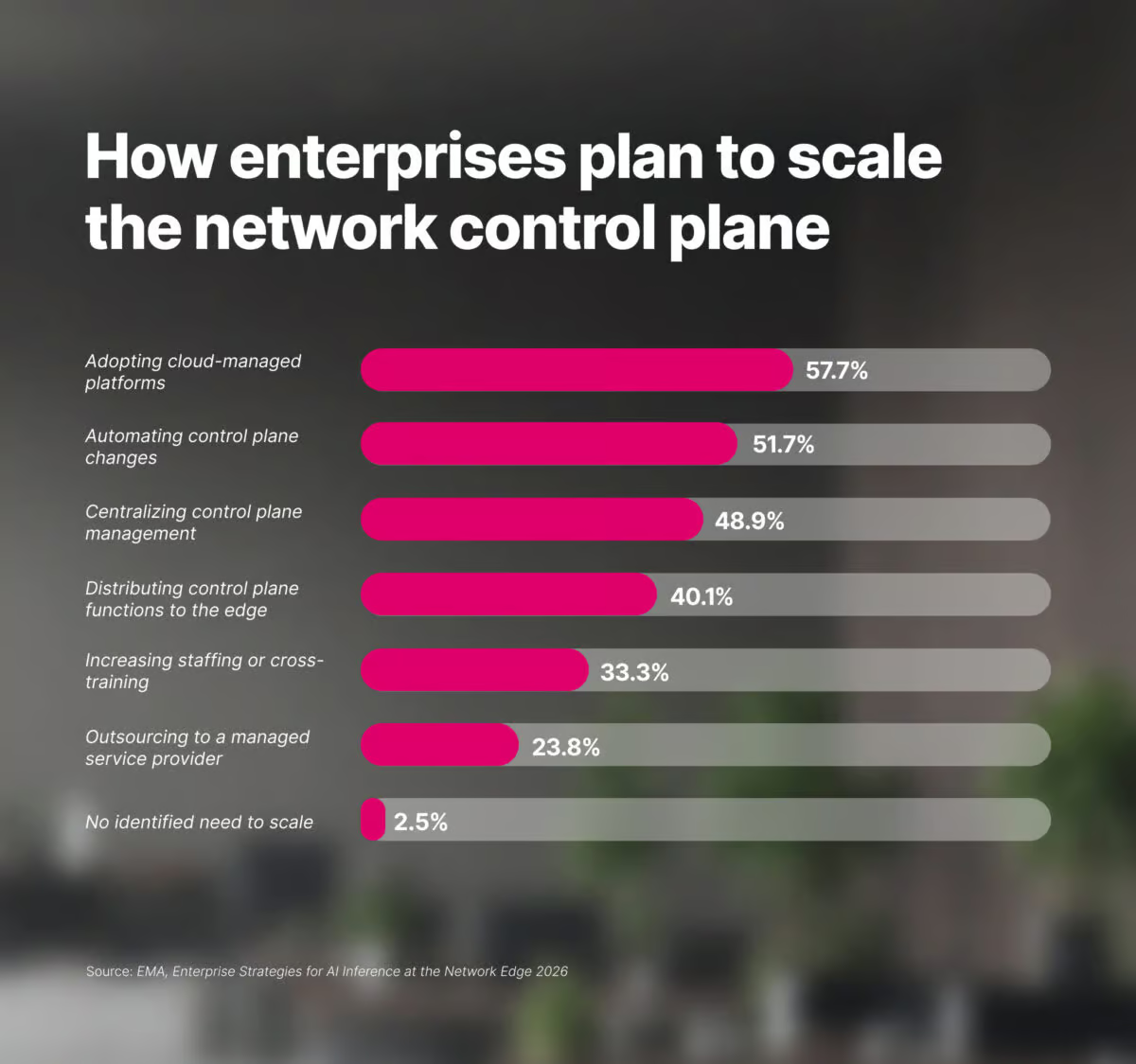
Figure 9 — How enterprises design for heterogeneous edge sites
Only 41% of enterprises are working toward a single standard footprint for edge sites. Nearly 30% use T-shirt sizing, with a small number of site tiers, and 24% customize each site. But every custom site is one more exception for a small team to track, document, and fix at 2 a.m. The takeaway: Standardization tracks with success, and customization tracks with failure.
Figure 16 — How enterprises plan to scale the network control plane
To scale the network control plane, cloud-managed platForms lead at 57.7%, followed by automating changes (51.7%) and centralizing control plane management (48.9%). Another 40.1% plan to run DNS resolvers, DHCP servers, or policy enforcement points at the edge. The strategy is to manage from one place while executing close to the workload. However, EMA warns that organizations that scale IP address management (IPAM) by hiring or training staff likely rely on manual methods such as spreadsheets, and EMA recommends enterprise-class IPAM instead.
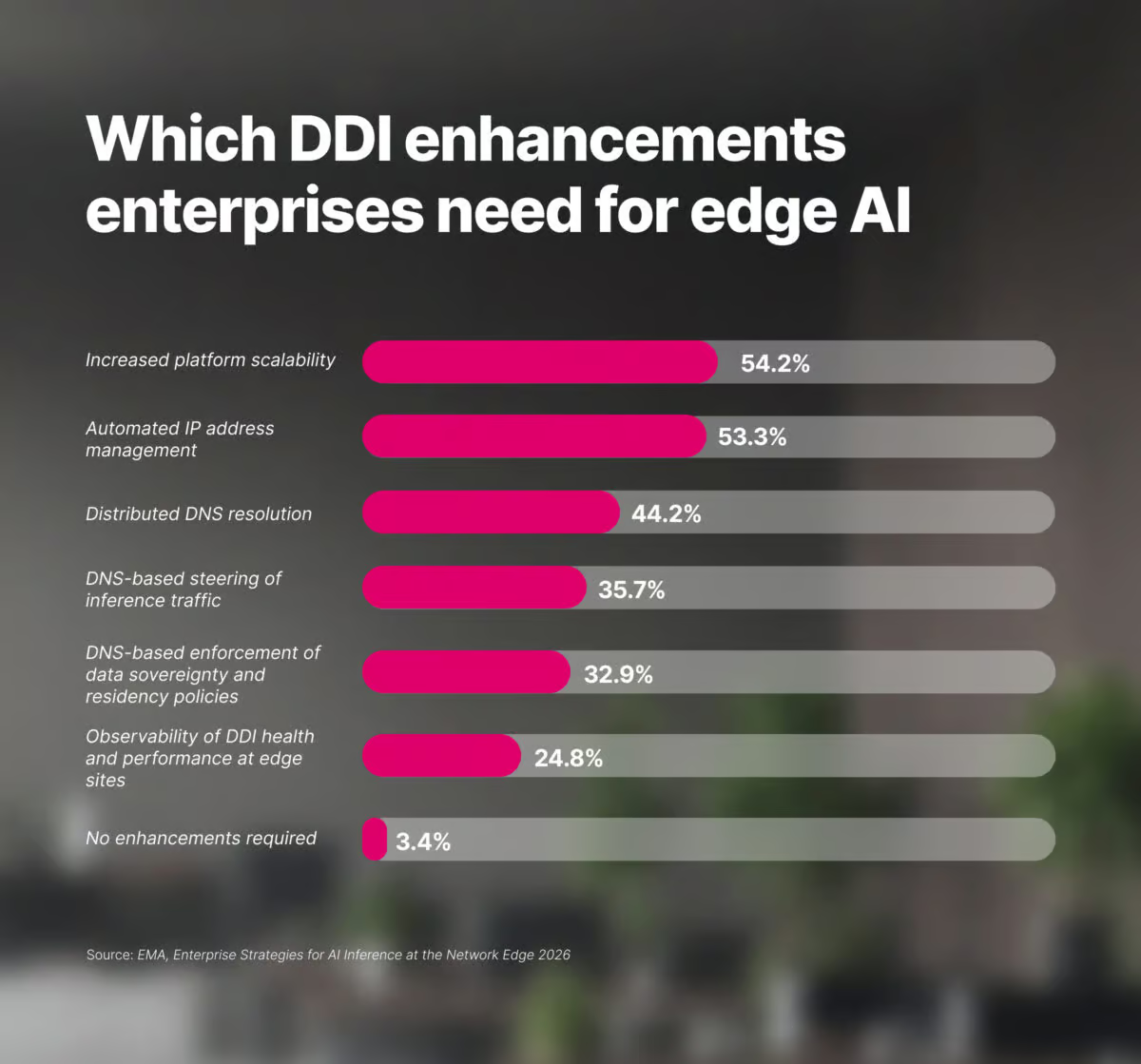
Figure 18 — Which DDI enhancements enterprises need for edge AI
Scalability (54.2%) and automated IP address management (53.3%) top the list of needed DDI enhancements, followed by distributed DNS resolution with edge resolvers (44.2%). DNS-based steering of inference traffic (35.7%) and DNS-based enforcement of data sovereignty policies (32.9%) round out the priorities. DDI is being asked to do far more than hand out addresses. It is becoming part of how edge AI perForms and stays compliant.
What this means for network and IT leaders
Edge AI projects succeed or stall on how well the network keeps up. If you run the networks, infrastructure, or security behind them, EMA’s research points to five priorities.
- Standardizing edge site designs to reduce complexity and one-off customization
- Aligning network and AI teams before deployment, not after the first outage
- Consolidating the control plane so IP address space, DNS, and DHCP are managed together
- Replacing manual IPAM, including spreadsheets, with automation that scales with AI workloads
- Using DNS to resolve close to workloads, steer traffic, and enforce security and data sovereignty policy
EMA found that the most successful organizations deploy inference to most of their remote sites, while the least successful tend to stay stuck in pilot mode. Organizations that treat the network as part of the AI plan from the start will be better positioned to make that move.