
Schedule workflows with Rundeck integration
BlueCat’s Gateway platform for automation now integrates with Rundeck, allowing users to schedule standard DNS automation workflows.



 Key takeawaysKey takeaways are generated with AI assistance. Because automated summaries can occasionally contain errors or miss important context, always refer to the full blog post for complete information.
The article describes how BlueCat Gateway customers can schedule and run background DNS automation tasks by integrating Gateway with the Rundeck orchestration tool, solving the real-world problem of needing periodic pulls, clean-ups, or syncs without manual intervention. It explains the technical environment where Rundeck Community runs (recommended in Docker or as RPM/Debian/Ubuntu) and uses the free BlueCat Gateway plug-in from the BlueCat Labs GitHub to invoke Gateway REST endpoints securely. The operational impact is streamlined, automated workflows that administrators can create, schedule, test, and run with failover options, reducing manual DNS management effort and ensuring recurring tasks complete reliably.
What problems does integrating BlueCat Gateway with Rundeck solve for DNS administrators?
Integrating BlueCat Gateway with Rundeck addresses several operational needs: it enables scheduled, unattended pulls of resource records or newly added IPv4 networks; automates periodic clean-ups of IPs or records during network migrations; and supports synchronization when another system dynamically modifies DNS data. By allowing workflows to run in the background on a cadence, administrators avoid manual triggering of repetitive tasks, reduce the risk of missed updates or stale records, and gain a predictable mechanism to enforce housekeeping and data consistency across DNS/DHCP/IPAM environments.
How do you set up and use the BlueCat Gateway plug-in in Rundeck?
First, install Rundeck Community (recommended as a separate Docker container, or via RPM/Debian/Ubuntu) and obtain the BlueCat Gateway plug-in from the BlueCat Labs GitHub repository, following the provided installation prerequisites. In Rundeck create a new project, click ‘add a step’, and select the Gateway plug-in under node steps; the integration will prompt for your Gateway password, which Rundeck key storage can manage securely. Choose the REST call type from the plug-in drop-down, input the relevant Gateway endpoint, configure cadence and failover options, test the workflow to validate behavior, and then schedule the job to run automatically.
Where can I find more details or demonstrations about scheduling Gateway tasks with Rundeck?
The article points readers to two resources: an episode in the ‘Making Gateway Work for You’ webinar series that specifically covers scheduling tasks using Rundeck, and a brief webinar wrap-up that includes video highlights for readers short on time. For practical setup artifacts, BlueCat provides the Gateway plug-in as a free community offering on the BlueCat Labs GitHub repository, which includes installation details and prerequisites. Additionally, Rundeck Community itself is available for download from the Rundeck website, with suggested installation options like Docker or platform-specific packages.
BlueCat customers love how Gateway, our automation platform, saves time and effort by eliminating manual DNS management tasks. Yet sometimes even automation requires an easy button.
Maybe you need an hourly pull of resource records or newly added IPv4 networks. Perhaps you’re migrating devices between networks and want to schedule a regular clean-up of IPs or records. You might be running Gateway with another system which creates or modifies DNS data dynamically, requiring regular pulls of resource records. In any of these cases, DNS administrators need the ability to schedule workflows and have them run in the background without any manual prompting.
BlueCat’s integration with Rundeck
That’s why BlueCat teamed up with Rundeck, a free third-party tool that orchestrates automation workflows. With Rundeck, BlueCat Gateway customers can create on-demand or scheduled jobs, ensuring that background tasks get done without the need to manually start the process. Once a network admin creates the workflow in Gateway and schedules it in Rundeck, the whole thing just happens without any further management.
How it works
Rundeck Community is available for free on their website. (BlueCat recommends installing it as a separate Docker container, although RPM, Debian, or Ubuntu options are also available.) The BlueCat Gateway plug-in for Rundeck is available as a free community offering on our BlueCat Labs GitHub repository. Installation details, including prerequisites and requirements, are provided.
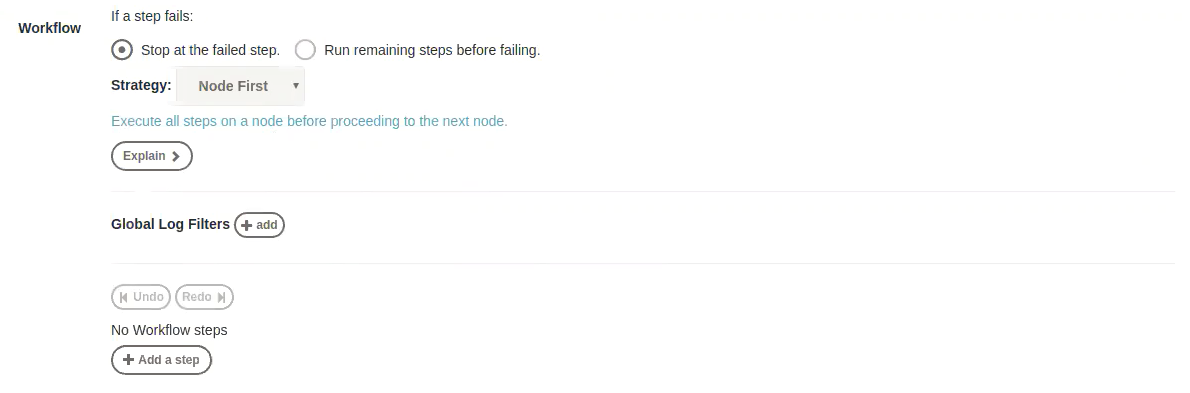
Once in Rundeck, start a new project and click “add a step” to associate the Gateway plug-in with your Rundeck instance.
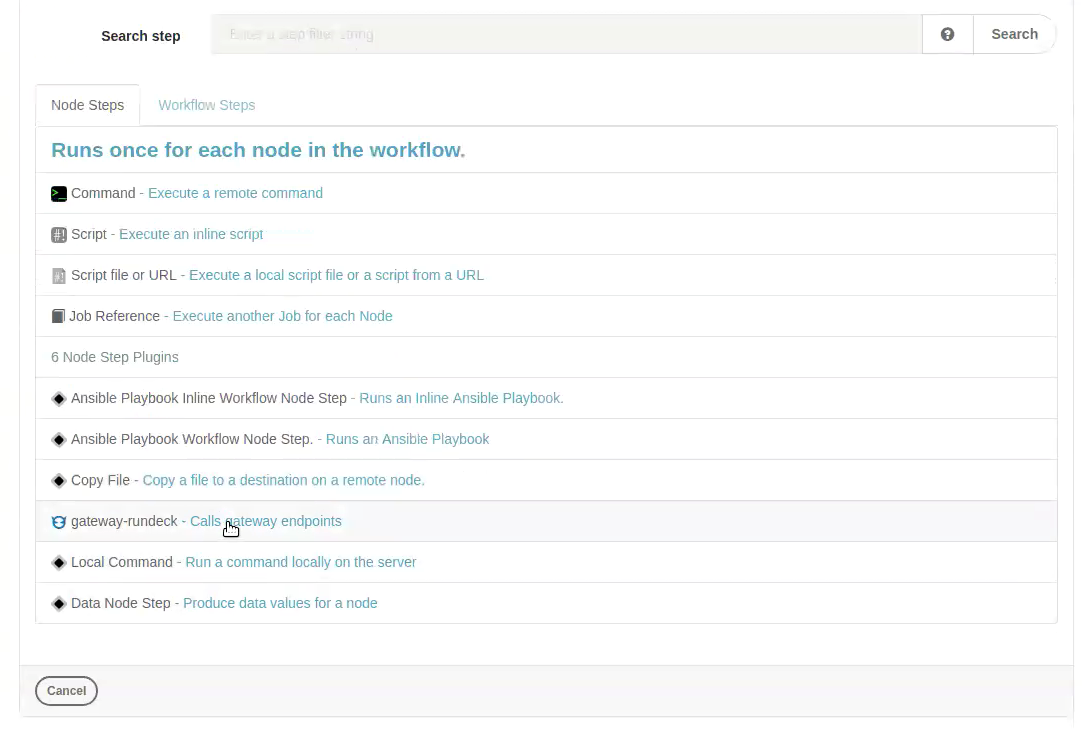
In the “add a step” menu, you can add the Gateway plug-in from the node steps tab.
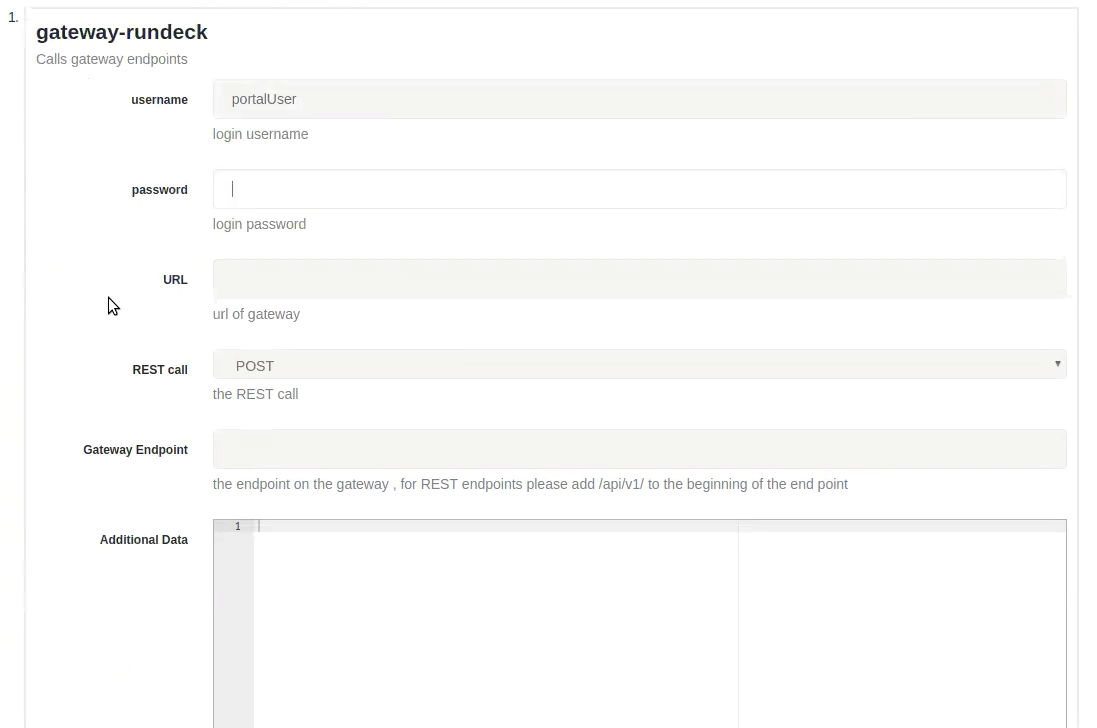
In the project, you can navigate to the Gateway integration, which will prompt you for your password. (Rundeck includes key storage for secure password management.) Then you can select the type of REST call from the drop-down menu and input the relevant Gateway endpoint.
Schedule your Gateway job in Rundeck by running through the prompts, selecting a cadence, and directing a failover option.
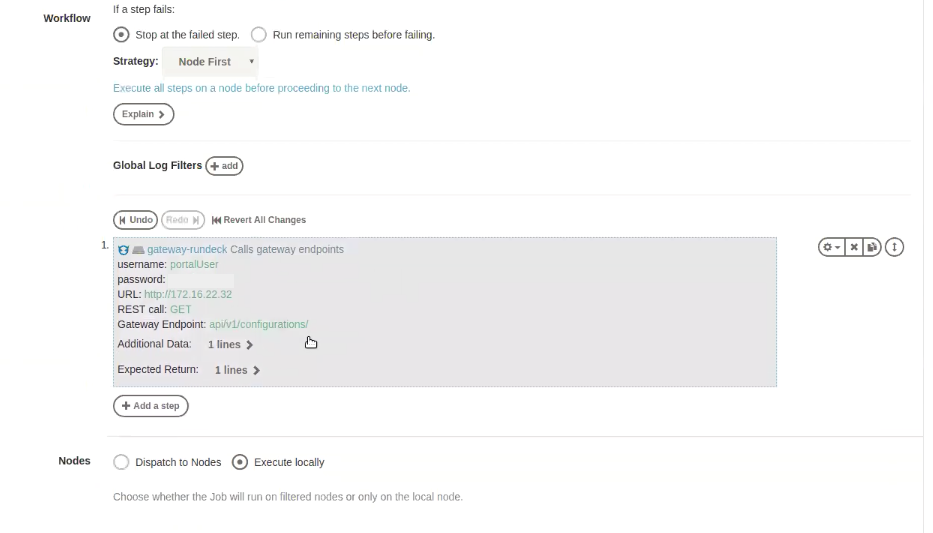
You can test the workflow to make sure that everything works. Then you’re good to go.
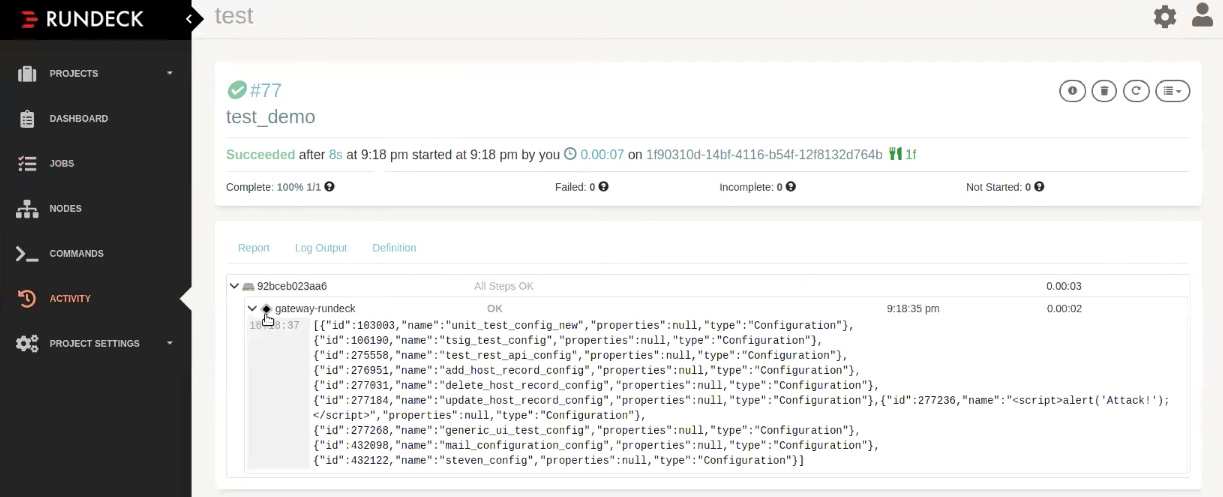
To learn more about Rundeck integration, be sure to watch the episode on scheduling tasks using Rundeck in our Making Gateway Work for You webinar series. If you only have a few minutes, we also have a handy wrap-up of the webinar with video highlights.

BlueCat provides core services and solutions that help our customers and their teams deliver change-ready networks. With BlueCat, organizations can build reliable, secure, and agile mission-critical networks that can support transformation initiatives such as cloud adoption and automation. BlueCat’s growing portfolio includes services and solutions for automated and unified DDI management, network security, multicloud management, and network observability and health.
Related content

Get answers from the LiveNX data you already have with LiveAssist
Learn how LiveAssist, the AI-powered add-on for LiveNX, turns your network data into fast, guided answers, with value you can see in days.

Get total control of your DDI infrastructure with Micetro’s unified API
Stop juggling between network tools and use Micetro’s RESTful API for complete control over your DDI infrastructure and cloud environment.

BlueCat MCP servers bring network intelligence to your AI assistant
Our MCP servers provide a standard integration layer that makes it easy to connect the AI tools you already use to BlueCat products.
We bet on Intelligent NetOps two years ago. Infoblox now has too.
With Infoblox acquiring Kentik, BlueCat’s CEO confirms its vision for a single platform unifying DDI, network monitoring, and observability.