
Orchestrate Microsoft DNS across hybrid DDI environments
Micetro unifies DNS, DHCP, and IP management across cloud and on-prem systems—giving teams the visibility and control needed to operate with confidence.
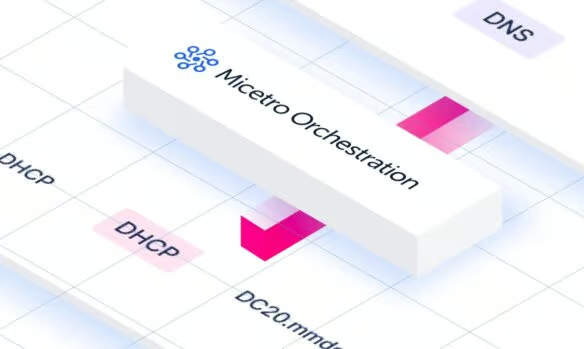
DDI orchestration for Microsoft DNS and hybrid environments
DDI orchestration connects DNS, DHCP, and IP management across Microsoft, cloud, and on-prem systems—eliminating fragmentation and giving teams a consistent way to manage changes, enforce policies, and scale operations without replacing existing infrastructure.

Unified Management
Operate across Microsoft DNS, cloud platforms, and on-prem systems from a single interface.

Built-in Governance
Apply role-based access, approvals, and change tracking across environments.

Full Visibility
See DNS, DHCP, and IP usage across hybrid infrastructure in one place.

Controlled Automation
Execute changes with safeguards to reduce misconfigurations and outages.

Works with Existing Systems
Extend orchestration without replacing Microsoft DNS or legacy platforms.

Consistent Operations
Standardize how DNS, DHCP, and IP changes are managed across teams and systems.
How Micetro delivers DDI orchestration
See how orchestration improves day-to-day DNS and IP management across key operational areas.
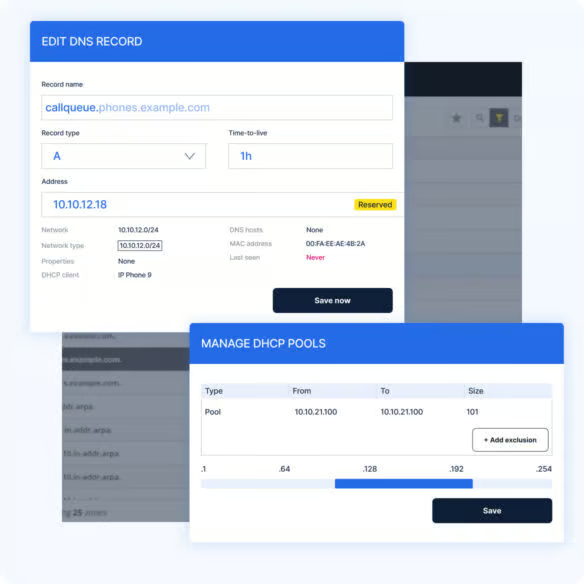
Enforce policies and reduce risk across DNS, DHCP, and IP changes—without slowing down operations.
- Role-based access control (RBAC) across teams and systems
- Approval workflows before DNS and IP changes are applied
- Full audit trails and change history visibility
- Selective rollback of DNS records and IP objects
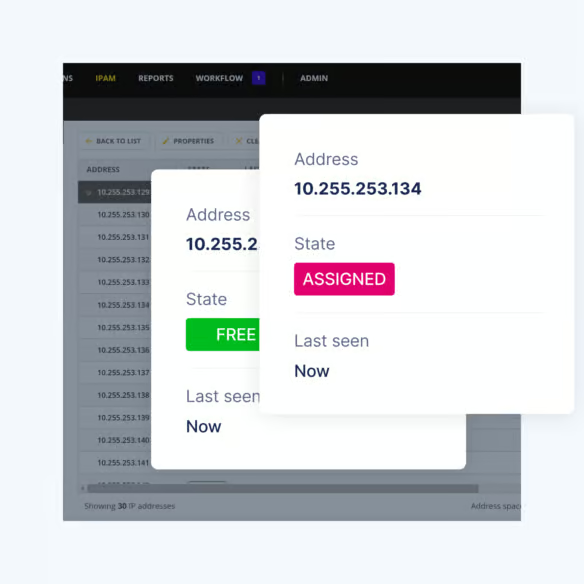
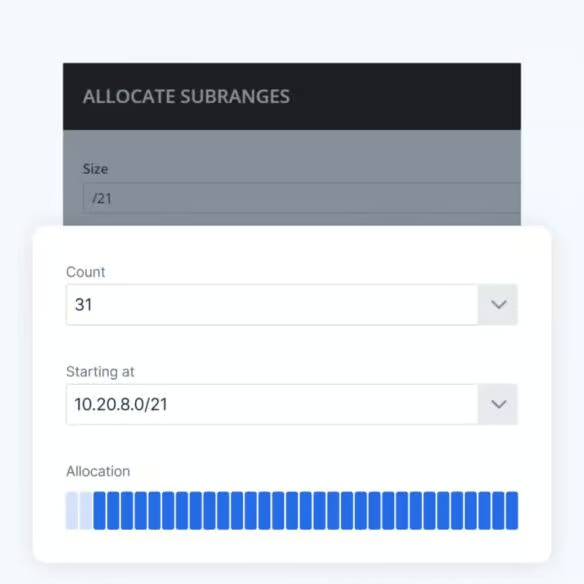
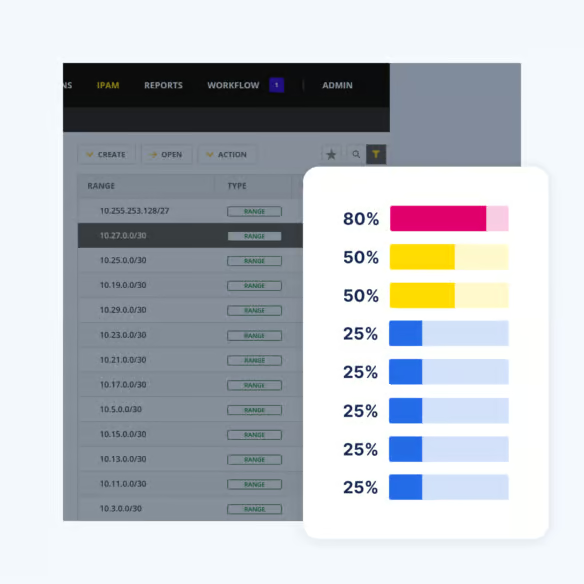
Manage IP address space across on-prem and cloud platforms without conflicts or manual workarounds.
- Unified IPAM across Microsoft, AWS, Azure, and on-prem
- Explicit handling of overlapping IP
- In-account cloud discovery agents (no external polling)
- Controlled IP allocation across platforms
Extend orchestration into Microsoft DNS and Active Directory without disrupting existing infrastructure.
- Native integration with Microsoft DNS and Active Directory
- Centralized visibility across AD-integrated systems
- Unified management alongside other DNS platforms
- Consistent operations without workflow disruption
Evolve your DNS and DHCP infrastructure gradually—without forcing a full migration.
- Micetro DNS/DHCP Server (MDDS) appliances
- Multi-primary failover support (Kea / ISC DHCP)
- Centralized logging and monitoring
- Optional threat detection capabilities
Real-world challenges solved with Micetro orchestration
Proven ROI
Make a case for Micetro®.
$123,700
average annual ROI

See exactly where the savings come from — and how to build the business case for Micetro.
Works with your existing DNS ecosystem





Related content

Micetro
With Micetro, integrate, orchestrate, and automate your current DNS, DHCP, and IPAM network infrastructure via a single web interface.

Micetro ROI ebook: Save $120K+ annually with Micetro
Learn how BlueCat Micetro enables DDI orchestration across DNS, DHCP, and IPAM to reduce manual work and deliver $120K+ in ROI.
IPAM for Microsoft DNS DHCP
IPAM for Microsoft DNS and DHCP that adds visibility, automation, and control. Manage IP address space across hybrid and multi-cloud environments.

 Solution brief
 BlueCat Micetro for Microsoft environments
With BlueCat Micetro, keep using your existing Microsoft tools while centralizing visibility and control of your DNS, DHCP, and IP address management.