
Enterprise strategies for AI inference at the network edge
New EMA research shows how enterprises are preparing their networks, DNS, DHCP, and IP address management to run AI inference at remote sites, branch offices, warehouses, and factories.

 Key takeawaysKey takeaways are generated with AI assistance. Because automated summaries can occasionally contain errors or miss important context, always refer to the full blog post for complete information.
New EMA research surveying 319 IT professionals reveals that enterprises are strategically deploying AI inference workloads across edge sites, cloud, and data centers, with network readiness emerging as a critical success factor—64% split inference between edge and cloud while 97% are enhancing their DDI stacks to support these deployments. The research identifies DNS, DHCP, and IP address management (DDI) as a leading platform for consolidating the control plane and enabling automated scaling of network services as inference moves into branch offices, warehouses, and factories. BlueCat's unified DDI solution addresses the core challenge by bringing DNS, DHCP, and IP address management together under one authoritative source, enabling policy-driven security and automation that keeps pace with edge AI deployments across distributed enterprise sites.
AI is moving out of the data center and into the places where work actually happens. Edge AI inference runs trained models close to where data is created, so decisions happen in real time instead of after a round trip to the cloud. That puts new pressure on the network.
Enterprise Management Associates (EMA) found that only 43% of enterprises report complete success with their edge inference strategy, and only 40% are completely confident their networks are ready. Most are not betting on one location: 64% split workloads between edge sites and cloud or data centers. Nearly all are upgrading multiple layers of the network to keep up with the volume and speed of change, and 97% are enhancing their DDI (DNS, DHCP, and IP address management) stack. This critical foundation gives every new workload an address and a name.
This research matters to network, infrastructure, security, and AI leaders who share one problem: AI is only as dependable as the network underneath it.
What the research reveals
Edge AI is moving into production at many enterprises, but the results are uneven. EMA’s research of 319 IT professionals found that most split inference workloads between edge sites and cloud or data centers, and that network readiness is a recurring dividing line between projects that succeed and projects that stall.
Organizations that standardize site designs and keep network and AI teams aligned report better outcomes than those that customize site by site. Security, shadow AI, and data sovereignty rank among the top concerns. To keep up, nearly all enterprises are upgrading multiple layers of the network.
Among the technologies EMA points to, a single, integrated DDI stack stands out as a leading platform for consolidating the control plane, and many are bringing DNS resolution closer to the workloads that depend on it.
Key research signals

43%
of enterprises report complete success with their edge inference strategy

40%
of IT professionals are completely confident their networks are ready for edge AI

64%
of inference workloads are split between edge sites and cloud or data centers

97%
are enhancing their DDI stacks to support edge inference

53.3%
need automated IP address management to handle the volume and velocity of edge AI changes

44.2%
want distributed DNS resolution with edge resolvers to reduce latency for inference workloads
Key findings
The gap between ambition and results for edge inference starts with the network. Among respondents who reported complete success, 77% had complete confidence in their network’s readiness. And 98% of organizations say they need to upgrade at least some part of their network, from cloud interconnections and WAN connectivity to network security and edge switching.
But confidence is not experienced evenly. Executives tend to see a smoother road than the engineers on the ground, and EMA flags that disconnect as a warning sign. Alignment matters here, too. Among the respondents whose network and AI teams are very aligned, 61% call their network a strong enabler of AI.
Complexity is the real enemy at the edge. Remote sites differ in space, power, connectivity, and staffing, so a standard design is hard to apply. But organizations that hold to a single standard report the best outcomes, while site-by-site customization stretches engineering teams thin. EMA also found that executives perceive more standardization than technical staff do, which suggests hidden exceptions are piling up. EMA points to this complexity as the likely reason why highly distributed enterprises cover sites that cannot host workloads locally with workloads in data centers and public cloud.
The control plane is where these pressures meet. Every new workload, agent, and device needs an IP address, a DNS record, and a policy, and manual processes cannot keep pace. Enterprises are upgrading a range of technologies, and 97% are enhancing their DDI stacks, the critical foundation for addressing and naming. About half (49%) plan to consolidate multiple control planes onto a single platform, and EMA names a DDI management solution as a leading option.
The most successful organizations did two things at once: They centralized the control plane and pushed some of its functions out to the edge.
However, security raises the stakes: 63% worry that unsanctioned agents will create security vulnerabilities, and organizations that used DNS-based controls and continuous monitoring to enforce data sovereignty reported more success.
What the data shows
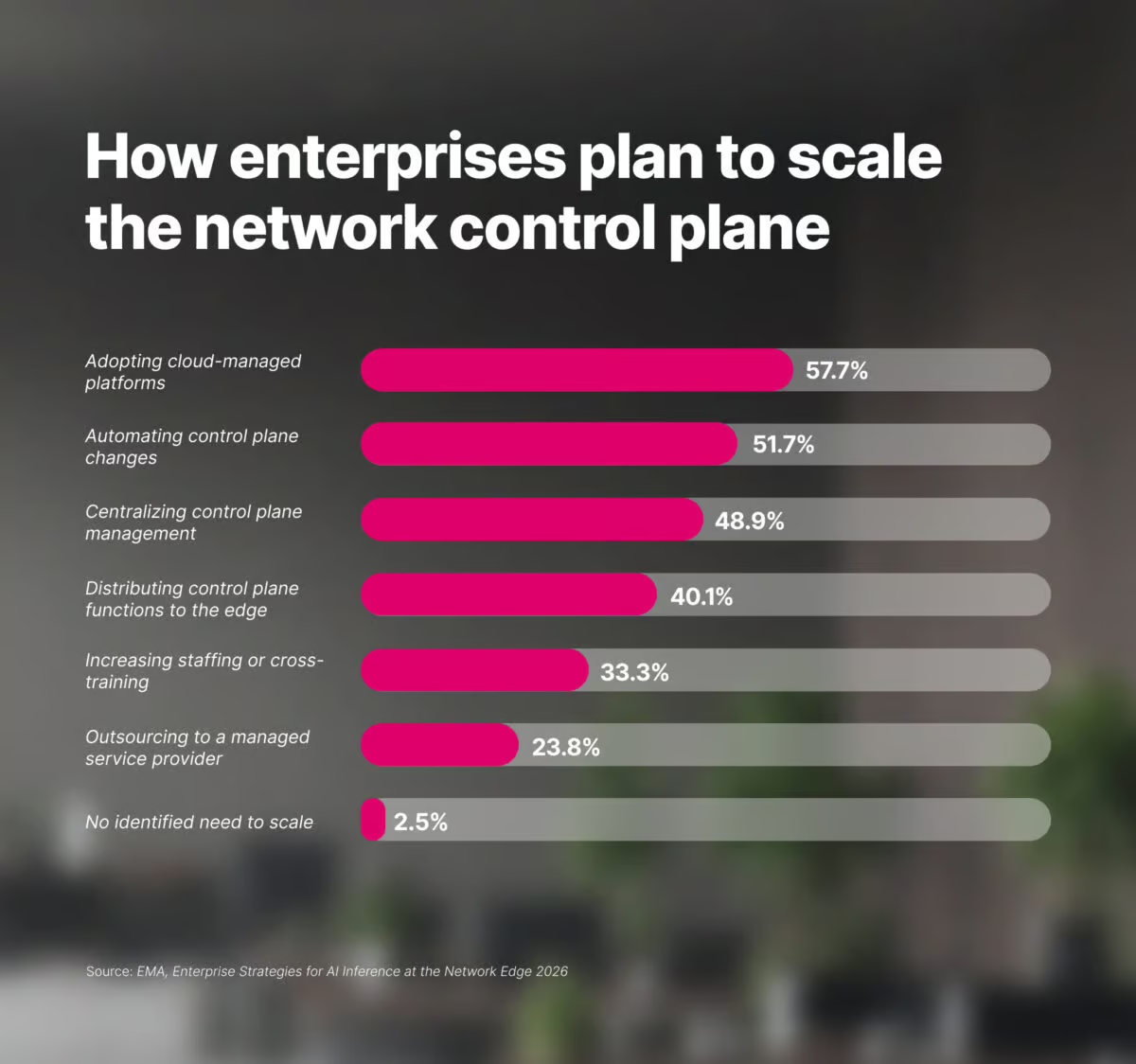
Figure 9 — How enterprises design for heterogeneous edge sites
Only 41% of enterprises are working toward a single standard footprint for edge sites. Nearly 30% use T-shirt sizing, with a small number of site tiers, and 24% customize each site. But every custom site is one more exception for a small team to track, document, and fix at 2 a.m. The takeaway: Standardization tracks with success, and customization tracks with failure.
Figure 16 — How enterprises plan to scale the network control plane
To scale the network control plane, cloud-managed platforms lead at 57.7%, followed by automating changes (51.7%) and centralizing control plane management (48.9%). Another 40.1% plan to run DNS resolvers, DHCP servers, or policy enforcement points at the edge. The strategy is to manage from one place while executing close to the workload. However, EMA warns that organizations that scale IP address management (IPAM) by hiring or training staff likely rely on manual methods such as spreadsheets, and EMA recommends enterprise-class IPAM instead.
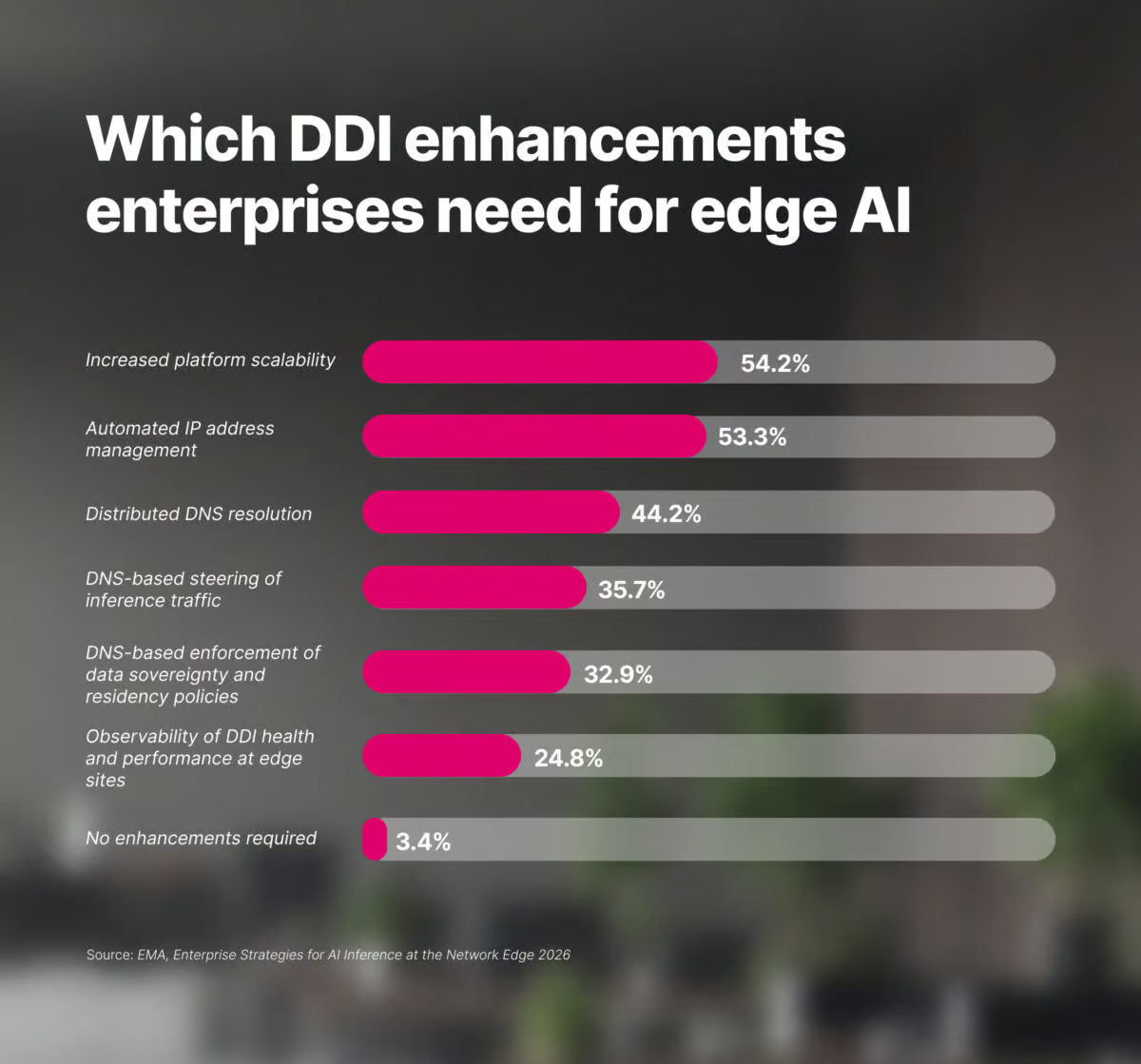
Figure 18 — Which DDI enhancements enterprises need for edge AI
Scalability (54.2%) and automated IP address management (53.3%) top the list of needed DDI enhancements, followed by distributed DNS resolution with edge resolvers (44.2%). DNS-based steering of inference traffic (35.7%) and DNS-based enforcement of data sovereignty policies (32.9%) round out the priorities. DDI is being asked to do far more than hand out addresses. It is becoming part of how edge AI performs and stays compliant.
What this means for network and IT leaders
Edge AI projects succeed or stall on how well the network keeps up. If you run the networks, infrastructure, or security behind them, EMA’s research points to five priorities.
- Standardizing edge site designs to reduce complexity and one-off customization
- Aligning network and AI teams before deployment, not after the first outage
- Consolidating the control plane so IP address space, DNS, and DHCP are managed together
- Replacing manual IPAM, including spreadsheets, with automation that scales with AI workloads
- Using DNS to resolve close to workloads, steer traffic, and enforce security and data sovereignty policy
EMA found that the most successful organizations deploy inference to most of their remote sites, while the least successful tend to stay stuck in pilot mode. Organizations that treat the network as part of the AI plan from the start will be better positioned to make that move.
Download the EMA research report
See how enterprises are preparing their networks for AI at the edge
What you’ll learn:
- How enterprises place edge AI inference workloads across sites, cloud, and data centers
- Which network, security, and DDI upgrades enterprises are prioritizing
- How enterprises are managing shadow AI, security, and data sovereignty risk at the edge