Security Insights
Security add-on with packet-level analysis at the network edge for fast and actionable security intelligence
 Key takeawaysKey takeaways are generated with AI assistance. Because automated summaries can occasionally contain errors or miss important context, always refer to the full blog post for complete information.
The article describes Security Insights, an add-on to BlueCat LiveWire accessible through LiveNX that brings packet-level analysis and flow telemetry to the network edge to deliver fast, actionable security intelligence. It addresses the real-world problem of fragmented visibility between network and security teams and limitations of traditional NDR—such as high cost, latency, and blind spots—by performing edge-first analytics, correlating LiveNX flow data with LiveWire packet captures, and integrating findings into SIEM, SOAR, and XDR. Key outcomes include faster detection and response measured in minutes instead of hours, improved forensic depth without backhauling packet data, and unified, multi-telemetry visibility across LAN, WAN, SD-WAN, data center, and cloud environments.
How does Security Insights differ from traditional NDR solutions?
Security Insights differs from traditional NDR by operating at the network edge and using existing LiveNX flow telemetry and LiveWire packet captures rather than centralizing massive packet datasets in the cloud. This edge-first approach reduces data movement, latency, and cost while preserving full packet-forensic depth. It ingests multiple telemetry sources (NetFlow, IPFIX, sFlow, Cisco high-speed and unified logging), correlates them into a single view across LAN, WAN, SD-WAN, data center, and cloud, and maps detections to frameworks like MITRE ATT&CK and OWASP for easier integration with SIEM, SOAR, and XDR.
What types of detections and use cases does Security Insights support?
Security Insights identifies a wide range of anomalies and suspicious behaviors, including unexpected encrypted traffic on non-standard ports (e.g., malicious tunneling/T1571), web service C2 communications discovered via threat intel indicators (T1102), and unusual or self-signed TLS certificate activity indicating forged certificates (T1587.003). Typical workflows combine automated detection, LiveNX visualization and flow correlation, and LiveWire packet capture for forensic validation. Outcomes include rapid isolation of compromised devices, blocking of malicious domains, export of forensic evidence to SIEM, and reduced dwell time.
What operational benefits can organizations expect when deploying Security Insights with LiveNX and LiveWire?
Organizations gain faster detection and response by turning performance telemetry into security intelligence, shortening investigation time from hours to minutes through real-time edge analytics. They maximize ROI by leveraging existing raw flow data and packet captures without adding complex tooling or backhauling data to the cloud, enabling richer threat hunting and forensics. Unified visibility across network and security teams reduces blind spots, supports mapping to MITRE ATT&CK and OWASP, and enables seamless integration with SIEM, SOAR, and XDR for coordinated remediation and improved compliance and audit readiness.

Challenge
Many enterprises operate with fragmented visibility between network and security teams. Furthermore, traditional network detection and response (NDR) solutions are complex, costly, and siloed, leaving blind spots that attackers can exploit.

Solution
Security Insights, an add-on to BlueCat LiveWire accessible through BlueCat LiveNX, delivers faster detection, forensic investigation, and proactive threat hunting. It quickly transforms existing network-edge data into actionable, scalable security intelligence without the blind spots of traditional NDR.

Benefits
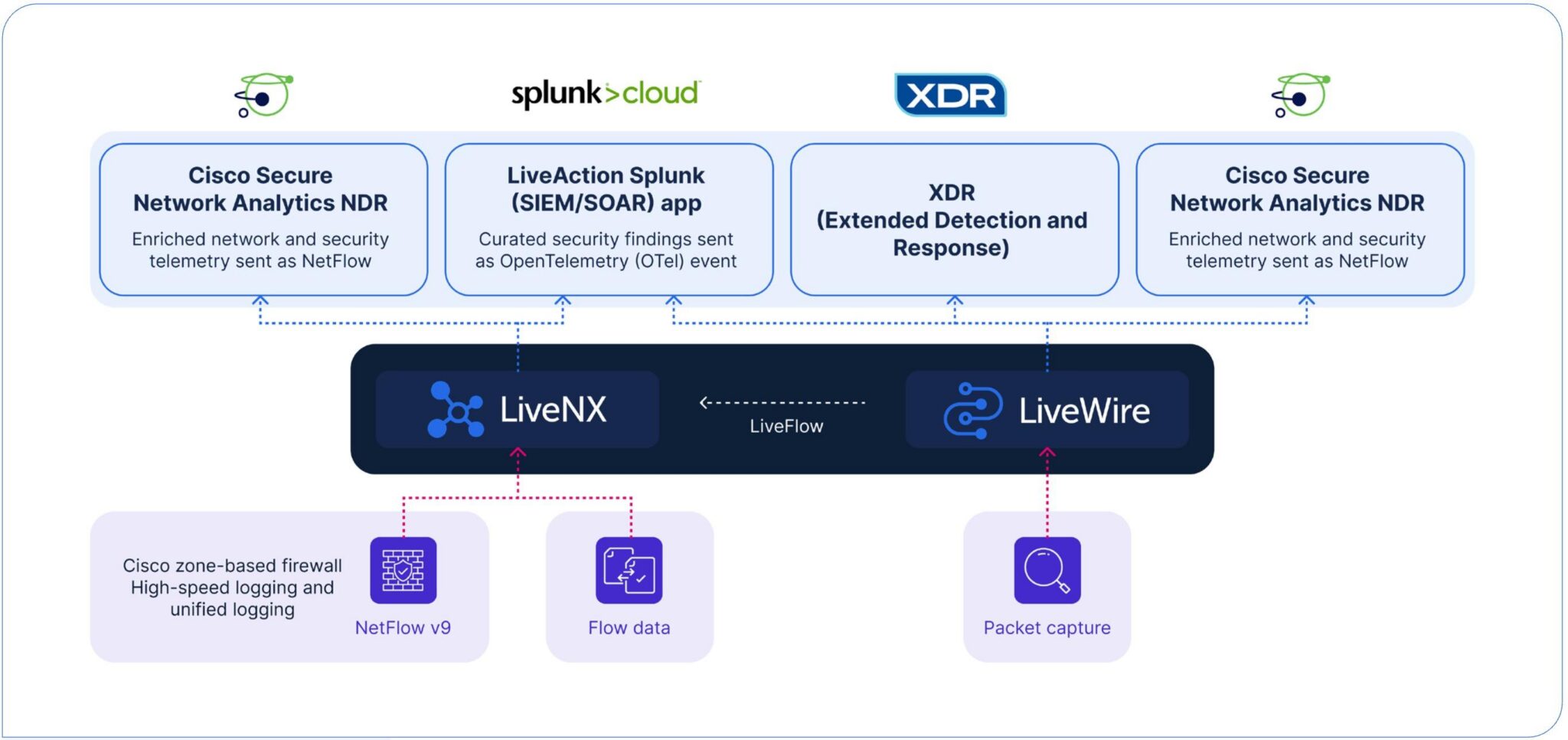
Figure 1. Security Insights architecture
How it works
As a LiveWire add-on accessible through the LiveNX UI, Security Insights operates natively in existing LiveNX and LiveWire environments, transforming network observability into actionable security intelligence. Using the same data that powers performance monitoring, it enables practical network detection without adding tools or complexity. By leveraging flow telemetry from LiveNX and packet-level analysis from LiveWire, Security Insights correlates these findings across all environments—LAN, WAN, SD-WAN, data center, and cloud—giving teams complete visibility into where and how threats emerge.
LiveWire provides deep forensic visibility by performing packet-level capture and analysis at the network edge. It not only captures payloads—including both encrypted and cleartext—but also identifies patterns and reconstructs sessions. This process of capture and analysis is called LiveFlow. These LiveFlow records are then sent to LiveNX, which detects anomalies by aggregating and enriching comprehensive network traffic telemetry. Traffic flow data is collected in LiveNX from NetFlow, IPFIX, sFlow, and Cisco high-speed logging and unified logging.
LiveNX’s centralized dashboard then displays these detected threats and traffic anomalies. Security Insights is open and standards-based, allowing for mapping to the Open Worldwide Application Security Project (OWASP) and MITRE ATT&CK frameworks and seamless integration with SIEM, SOAR, and XDR tools for coordinated response. If a detected threat is first seen in a SIEM or another security solution, security and network teams can leverage LiveNX and LiveWire for deeper investigation.
Both LiveWire and LiveNX are required components for Security Insights.
Use cases
This section outlines three real-world detection scenarios that demonstrate the benefits of using Security Insights.
Use case 1: Detecting anomalous Transport Layer Security activity
MITRE ATT&CK ID T1571 – Non-Standard Port
A global logistics company experiences unexpected spikes in encrypted traffic on non-standard ports. Security Insights automatically detects this pattern as “Unexpected Encryption on IANA Reserved Port”—a strong indicator of malicious tunneling activity used to hide command-and-control (C2) communications.
Investigation workflow:
- Detection (Security Insights)
- Detects encrypted traffic on port 8088, which is not typically used for secure communications.
- Maps detection to MITRE T1571 and flags the event.
- Cross-references with known IANA-reserved ports for validation and automatically alerts the security operations team.
- Analysis (LiveNX)
- Visualizes affected subnets and identifies systems generating the anomalous traffic.
- Correlates flow records across WAN and SD-WAN links, confirming the pattern is isolated to a single IoT gateway.
- Detects recurring communication intervals—a hallmark of beaconing.
- Forensics (LiveWire)
- Captures and inspects packets to confirm encrypted payloads.
- Response
- Security operations team isolates the IoT gateway and blocks all outbound traffic on unauthorized ports.
- Forensic data is exported to the SIEM for post-incident validation and compliance reporting.
Outcome: Early detection prevented malware from establishing C2 persistence, reduced time to detect from hours to minutes, and improved visibility into encrypted traffic without decryption overhead.
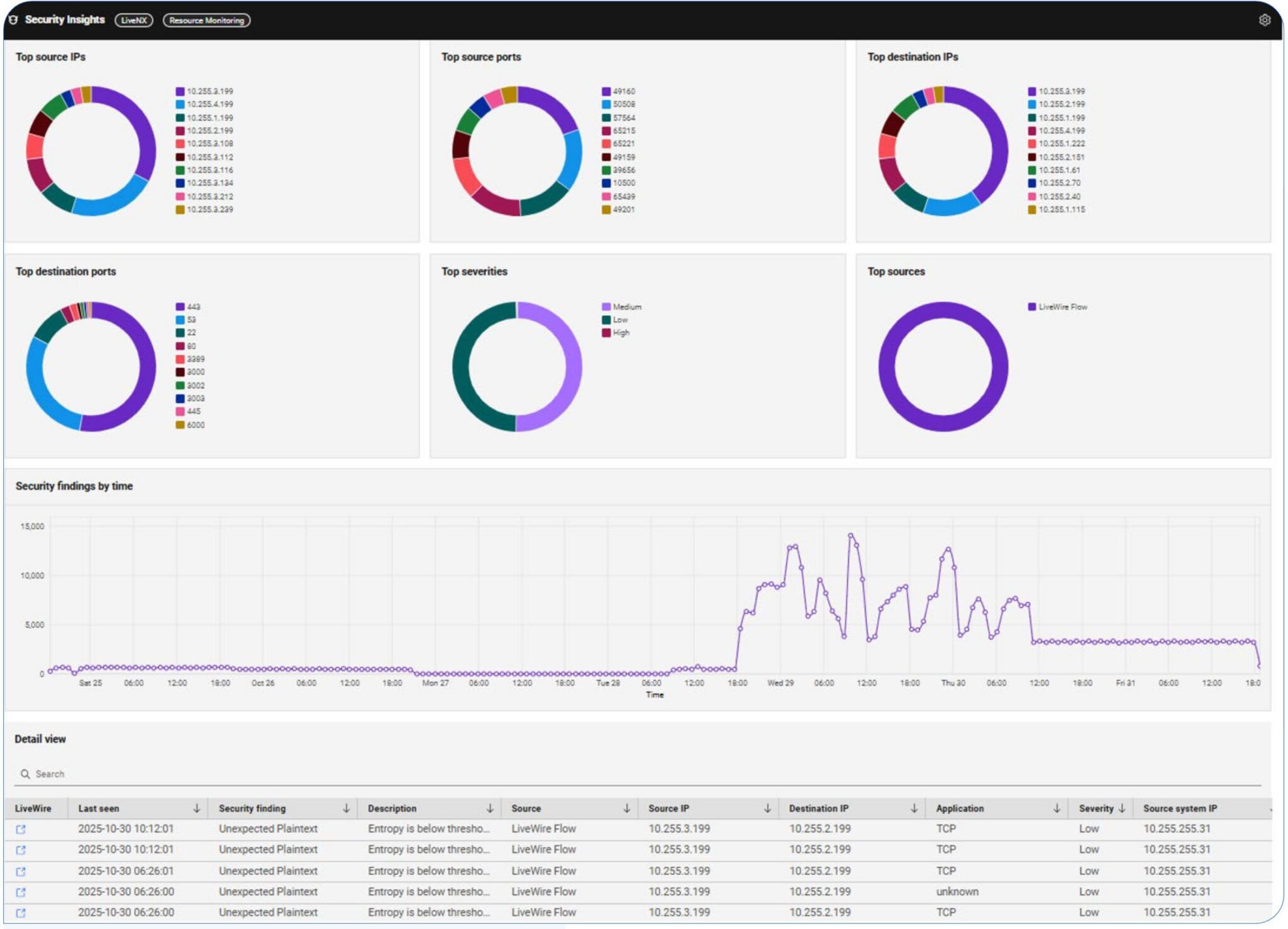
Figure 2. Security Insights summary dashboard and detail view in LiveNX
Use case 2: Proactive threat hunting with threat intel indicators
MITRE ATT&CK ID: T1102 – Web Service
A financial institution’s threat intelligence feed reports suspicious domains associated with a recent C2 infrastructure campaign. Using Security Insights, the security team proactively hunts across their hybrid network for any evidence of contact with those domains.
Investigation workflow:
- Detection (Security Insights)
- Imports threat intelligence indicators of compromise from an external feed and maps them to MITRE T1102.
- Performs a network-wide correlation using flow telemetry to identify outbound communications to suspicious domains.
- Flags multiple endpoints contacting the domain app-sync-storage[.]net, classified as a potential C2 web service.
- Analysis (LiveNX)
- Analysts pivot into LiveNX to visualize communication frequency and duration by endpoint.
- Correlates DNS queries and flow records to confirm repeated contact from a single subnet within the R&D network.
- Detects unusual data size patterns consistent with exfiltration via HTTPS.
- Forensics (LiveWire)
- Performs packet capture for the flagged hosts to confirm payload behavior.
- Identifies POST requests containing Base64-encoded data to the suspicious domain.
- Extracts the payload for sandbox analysis to confirm malicious exfiltration.
- Response
- Sends data to the SOAR to automatically block the compromised domains and associated IP ranges.
Outcome: Stopped stealthy C2 communications before significant business losses occurred.
Use case 3: Forensic investigation of a TLS certificate abuse attack
MITRE ATT&CK ID: T1587.003 – Digital certificates
A large healthcare provider detects irregular SSL certificate behavior across its data centers. Security Insights flags multiple self-signed TLS certificates being used in outbound traffic—a possible sign of malware using forged certificates to bypass inspection controls.
Investigation workflow:
- Detection (Security Insights)
- Identifies multiple self-signed and untrusted TLS certificates in use on internal outbound connections.
- Maps detection to MITRE T1587.003 and classifies as Unusual Certificate Activity.
- Analysis (LiveNX)
- Analysts use flow visualization to isolate traffic originating from affected systems.
- Confirms repetitive, short-lived TLS sessions from an IoT medical device subnet to an external IP.
- Detects abnormal TLS handshake intervals and cipher mismatches.
- Forensics (LiveWire)
- Captures packets for full forensic analysis.
- Confirms that outbound connections contain encrypted commands hidden within TLS payloads.
- Identifies the use of self-signed certificates generated by the malware to establish persistence.
- Response
- Integrates findings into the SIEM and SOAR for automated certificate revocation and alerting.
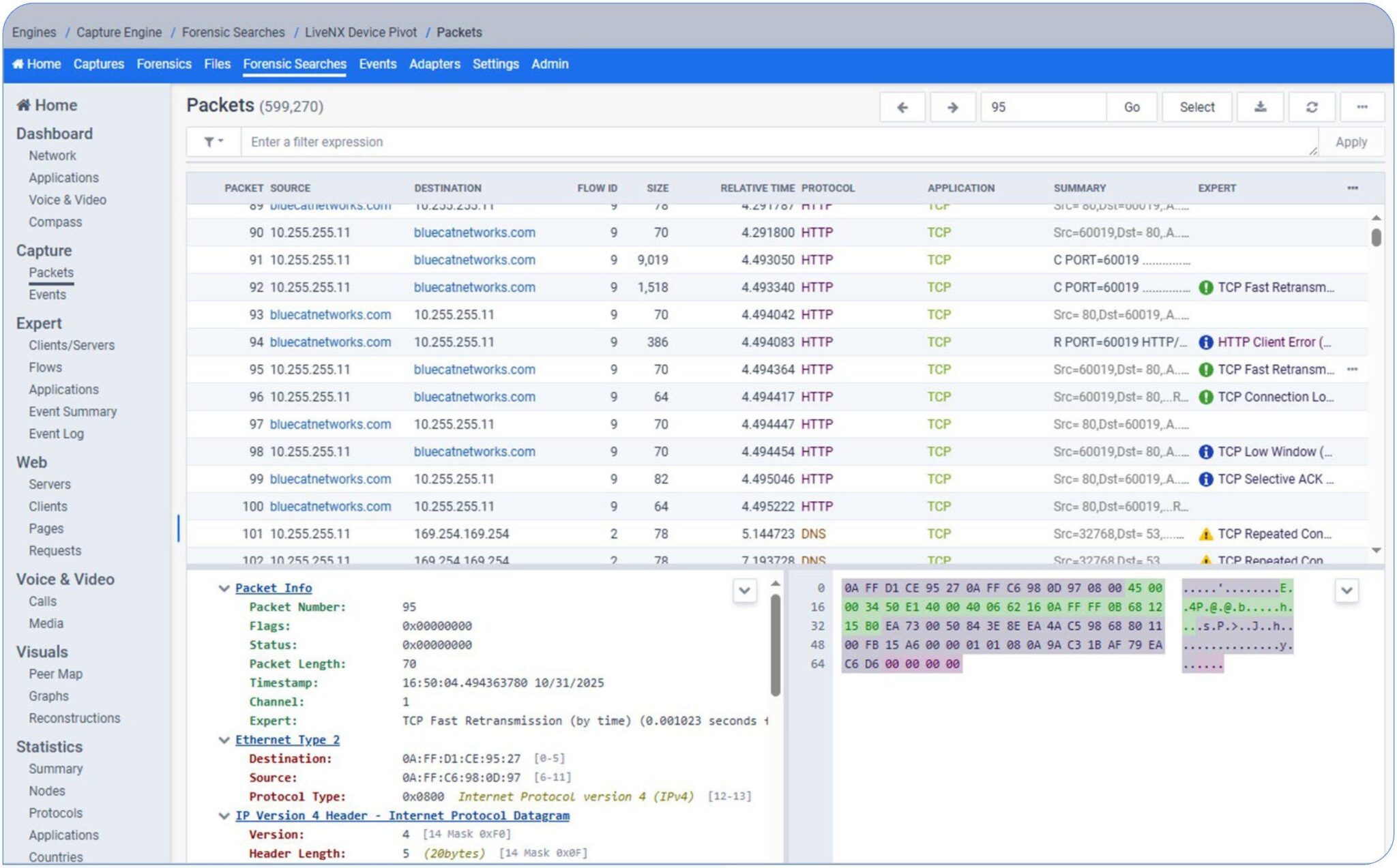
Figure 3. Security Insights individual packet data dashboard used for a forensic search
Outcome: Prevented C2 persistence via forged TLS certificates, enhanced compliance and audit readiness by retaining packet-level evidence, and strengthened certificate governance across the organization.
Key differentiators
Where legacy NDR is centralized, complex, and costly, Security Insights is distributed, efficient, and immediate. It quickly transforms existing LiveNX and LiveWire data into actionable and scalable security intelligence without the blind spots or burdens of traditional NDR.
These four key differentiators set Security Insights apart from NDR solutions:
Unmatched data quality and visibility—without NDR’s blind spots
Traditional NDR solutions are often constrained by limited data sources or vendor-specific integrations. Security Insights provides unified, high-fidelity visibility across every domain, LAN, WAN, SD-WAN, data center, and cloud, regardless of vendor or architecture. It ingests telemetry from multiple systems and correlates it into a single view. As a result, where NDR tools only see fragments, Security Insights offers end-to-end visibility.
Rich, multi-telemetry ingestion—while NDR depends on partial feeds
Traditional NDR solutions often rely on sampled or filtered packet data to reduce ingestion volume, which sacrifices accuracy and context. Security Insights aggregates and enriches comprehensive telemetry, NetFlow, IPFIX, sFlow, and Cisco high-speed logging and unified logging to identify hidden anomalies and patterns across the entire network fabric. This approach gives analysts the complete picture, not just a summary of traffic samples.
Full packet capture and forensic depth—without the cost and delay
Most NDR tools move massive packet datasets to a centralized cloud or data lake for analysis, which drives latency, cost, and compliance concerns. Powered by LiveWire, Security Insights performs forensic-grade packet analysis locally at the network edge. Teams can instantly pivot from flow records to full packet payloads for precise investigations without backhauling data, incurring delays, or the expense of relying on the cloud for analysis.

Edge-first analytics—real-time detection where threats begin
Traditional NDR architectures analyze data after it’s transported and aggregated, introducing delays that attackers exploit. Security Insights shifts this model, generating insights directly at the edge, where many threats originate. By detecting anomalies in real time, it shortens dwell time, reduces operational costs, and ensures sensitive data never leaves controlled environments.
Solution benefits
Security Insights empowers enterprises using LiveNX and LiveWire to modernize threat detection and response with powerful capabilities that simplify operations, accelerate investigations, and strengthen security outcomes across every environment. With Security Insights, network and security teams get these benefits:
Faster detection and response
Cut investigation time from hours to minutes with real-time visibility and actionable insights.
Advanced threat hunting
Leverage raw, unaggregated flow data to uncover hidden threats and accelerate forensics.
Unified visibility
Reduce complexity by bringing network and security data together in a single, correlated view.
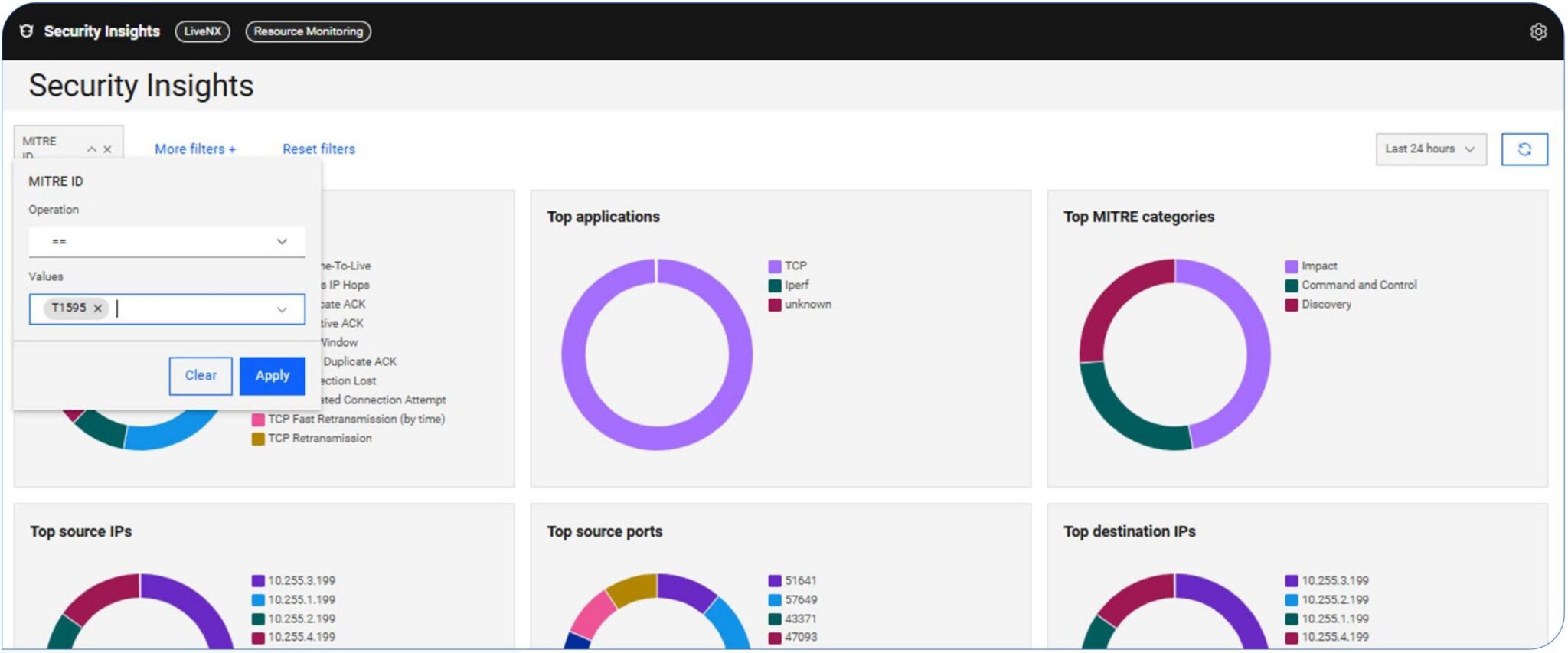
Figure 4. Security Insights filter by MITRE ATT&CK ID
Appendix: Security findings
This appendix provides a list of security findings generated by LiveNX and LiveWire. These findings highlight anomalies, suspicious behaviors, and policy violations detected through flow and packet analysis. While not an exhaustive NDR catalog, they represent high-value insights that accelerate detection, investigation, and response. As LiveNX and LiveWire evolve, this library of findings continues to expand, ensuring network and security teams benefit from richer visibility and stronger outcomes over time.
| Security finding | Type | MITRE ATT&CK ID (if applicable) | Component |
|---|---|---|---|
| Encryption on IANA reserved port | Policy | T1571 | LiveWire |
| Kerberos detected | Policy | T1558 | LiveWire |
| Kerberos RC4 detected | Policy | T1558.003 | LiveWire |
| Malicious IP or domain detected | Indicator of compromise | T1071 | LiveWire |
| Microsoft IP detected | Policy | LiveWire | |
| NTLM protocol detected | Policy | T1557.001 | LiveWire |
| RDP on non-standard port | Policy | T1571 | LiveWire |
| Threat intel indicator | Indicator of compromise | T1102 | LiveWire |
| TLS certificate anomalies detected | Indicator of compromise | TLS | LiveWire |
| TLS client excessive handshakes | Indicator of compromise | TLS | LiveWire |
| TLS forbidden version | Policy | T1071.002 | LiveWire |
| TLS long-lived connection | Indicator of compromise | TLS | LiveWire |
| TLS missing server name indication | Policy | T1587.003 | LiveWire |
| TLS self-signed certificate | Policy | T1587.003 | LiveWire |
| TLS unusual certificate | Policy | T1587.003 | LiveWire |
| Unassigned encryption | Policy | LiveWire | |
| Unauthorized application use | Policy | T1071.002 | LiveWire |
| Unexpected encryption | Policy | T1571 | LiveWire |
| TLS unexpected plaintext | Policy | T1571 | LiveWire |
| TLS weak cipher suite | Policy | T1600 | LiveWire |
| RDP connection after brute force attempt | Policy | T1021 | LiveNX |
| SSH connection after SSH brute force attempt | Policy | T1021 | LiveNX |
| Unauthorized application use | Policy | T1219 or T1071 | LiveNX |
| RDP brute force attempt detected | Policy | T1110 | LiveNX |
| SSH brute force attempt detected | Policy | T1110 | LiveNX |
| New encryption protocol | Policy | T1571 | LiveNX |
| Found RDP on non-standard port | Policy | T1571 | LiveNX |
| New encryption user | Policy | T1573 | LiveNX |
| New encryption service | Policy | T1573 | LiveNX |
| New SSH client version found | Policy | T1573 | LiveNX |
| New SSH server version found | Policy | T1573 | LiveNX |
| New TLS version found | Policy | T1573 | LiveNX |
| Insecure or weak cipher | Policy | T1587.003 | LiveWire |
| New TLS SHA1 found | Policy | T1588 | LiveNX |
| New TLS JA3C found | Policy | T1588.004 | LiveNX |
| New TLS JA3S found | Policy | T1588.004 | LiveNX |
| Lateral movement anomaly <application> | Anomaly | TA0008 (five techniques) | LiveNX |
| Clique expansion | Anomaly | LiveNX | |
| Interface volumetric anomaly | Anomaly | LiveNX | |
| Application interface volumetric anomaly | Anomaly | LiveNX | |
| DSCP interface volumetric anomaly | Anomaly | LiveNX | |
| Application site volumetric anomaly | Anomaly | LiveNX | |
| Site volumetric anomaly | Anomaly | LiveNX |
BlueCat’s Intelligent Network Operations (NetOps)
BlueCat’s Intelligent NetOps solutions provide the analytics and intelligence needed to enable, optimize, and secure the network to achieve business goals. With an Intelligent NetOps suite, organizations can more easily change and modernize the network as business requirements demand.