
An Engineer’s Reflections – Ignite 2018



Notice: This blog post was originally published on Indeni before its acquisition by BlueCat.
The content reflects the expertise and perspectives of the Indeni team at the time of writing. While some references may be outdated, the insights remain valuable. For the latest updates and solutions, explore the rest of our blog
 Key takeawaysKey takeaways are generated with AI assistance. Because automated summaries can occasionally contain errors or miss important context, always refer to the full blog post for complete information.
This article recaps Indeni’s presence at Palo Alto Networks Ignite 2018 and highlights automation as a dominant theme among attendees, with 90% of 260 respondents indicating automation is a high priority. It explains how Palo Alto Networks’ Application Framework enables convergence of threat intelligence and third-party tools to automate security tasks, while also raising operational health management challenges when new tools increase dependency on core PANW infrastructure. The piece emphasizes Indeni’s crowdsourced approach to lowering adoption curves by automating device health checks and using community-sourced knowledge to prioritize and build features, and invites readers to a webinar demonstrating that lifecycle.
What role does the Palo Alto Networks Application Framework play in security automation according to the article?
The article describes the Application Framework as a major enabler for automation by allowing over 30 partners to ingest threat data and augment, analyze, or automate workflows for security analysts, engineers, and architects. It allows third-party tools—examples include Algosec, FireMon, Demisto, Phantom, Medigate, and Seclytics—to integrate with PANW infrastructure for use cases like runbook automation, vulnerability analysis, malicious activity feeds, and firewall rule analysis. The framework therefore converges threat intelligence and management tools, expanding automation possibilities while encouraging organizations to leverage these integrations on existing PANW deployments.
What operational risks or challenges does the article say can arise from adopting Application Framework apps?
The article warns that adopting new tools via the Application Framework introduces risks such as increased operational overhead, training requirements, and greater dependency on core PANW infrastructure. Specific concerns include what happens if a firewall loses connectivity to Panorama or to the syslog/logging service used by the Application Framework—these connectivity failures can impact day-to-day operations and engineering. The article argues that while the framework reduces some headaches, it heightens the need to further automate operational health management for the PANW environment to detect and mitigate such failures proactively.
How does Indeni use crowdsourcing and community input to improve automation and device health management?
Indeni leverages its user community and public forums (for example, GitHub threads) to gather domain knowledge and operational questions from engineers, which it then scopes into automated checks and features. The article gives an example where repeated booth questions about tracking CRC errors led Indeni to consult the community, surface additional maintenance challenges, and then scope development work to automate detection of those conditions. This crowdsourced lifecycle—from ideation through community feedback to R&D scoping and platform implementation—is presented as Indeni’s method for lowering the adoption curve and improving automated health management for PANW devices.
That’s a wrap folks! Yet another successful Palo Alto Networks Ignite conference made up of countless conversations and deep dives into Indeni’s offerings. Though we did our best to appease everyone who stopped by our booth, we are aware we could not get to everyone, as you can see from the photo below. If you did not receive the information you were seeking regarding Indeni’s Crowdsourced Automation Platform, I invite you to join me and one of our Palo Alto Networks experts, Brad Spilde, in a Live Webinar on June 27, 2018.

After so many conversations with Palo Alto Networks (PANW) end users, a few key themes became apparent to me:
- The Application Framework will help converge threat intelligence/management tools and enable further automation for security teams.
- Automating operational health management is more important now than ever.
- Fostering and engaging in communities will improve any organization’s chance at achieving automation.
Being a Systems Engineer here at Indeni, I am always interested in breaking down what topics are trending within the industry. As “automation” was such a hot topic at Ignite 2018, I think it warrants further inspection. In an Ignite onsite survey, 90% of our 260 respondents mentioned automation is a high priority or on their horizon. Eric Parizo, a Senior Analyst for GlobalData Technology, hit the nail on the head with this tweet:
The Application Framework will help converge threat intelligence/management tools and enable further automation for Security teams
The Application Framework is going to a play a major role in automation for analysts, engineers and architects. As is, there are over 30 partners that are leveraging the framework for ingesting threat data and augmenting, analyzing, or providing some level of automation. It’s unlikely it will stop there considering Palo Alto Networks (PANW) is even investing in application ideas. If you are already using 3rd party tools on your PANW infrastructure, you should heavily consider how to leverage the application framework. The ecosystem extends far beyond the big players like Algosec, Firemon, Google Cloud, and others listed in the image below.
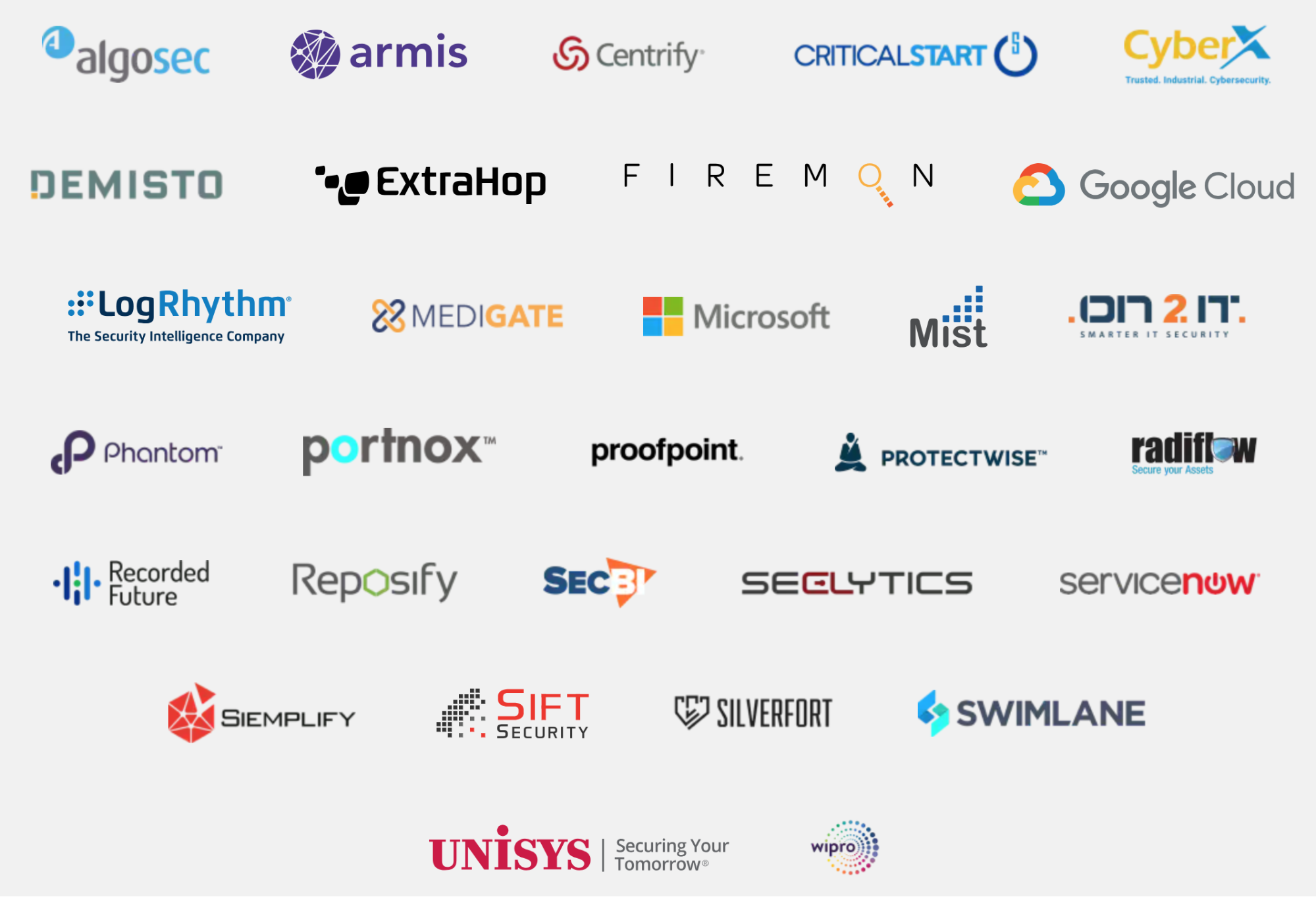
For example, tools like Demisto and Phantom provide runbooks that automate time-consuming tasks of a security analyst. Medigate is providing deeper vulnerability analysis in connected medical equipment. Seclytics distributes an automated feed of new malicious activity to predict new attacks and exposes as an API through the Application framework for security analysts to take advantage. Even tools like Algosec can leverage the inherent log-collecting mechanism of the Application Framework to do firewall rule analysis.
Automating operational health management is more important now than ever
While I really enjoyed exploring the app landscape, I have my concerns. New tool adoption introduces new risks, operational overhead, and training. At PANWs current pace of innovation, the challenge is really in an organization’s agility in adoption and we’ve all heard the saying, “we don’t want a point solution”. So wouldn’t leveraging Application Framework reduce the headache?
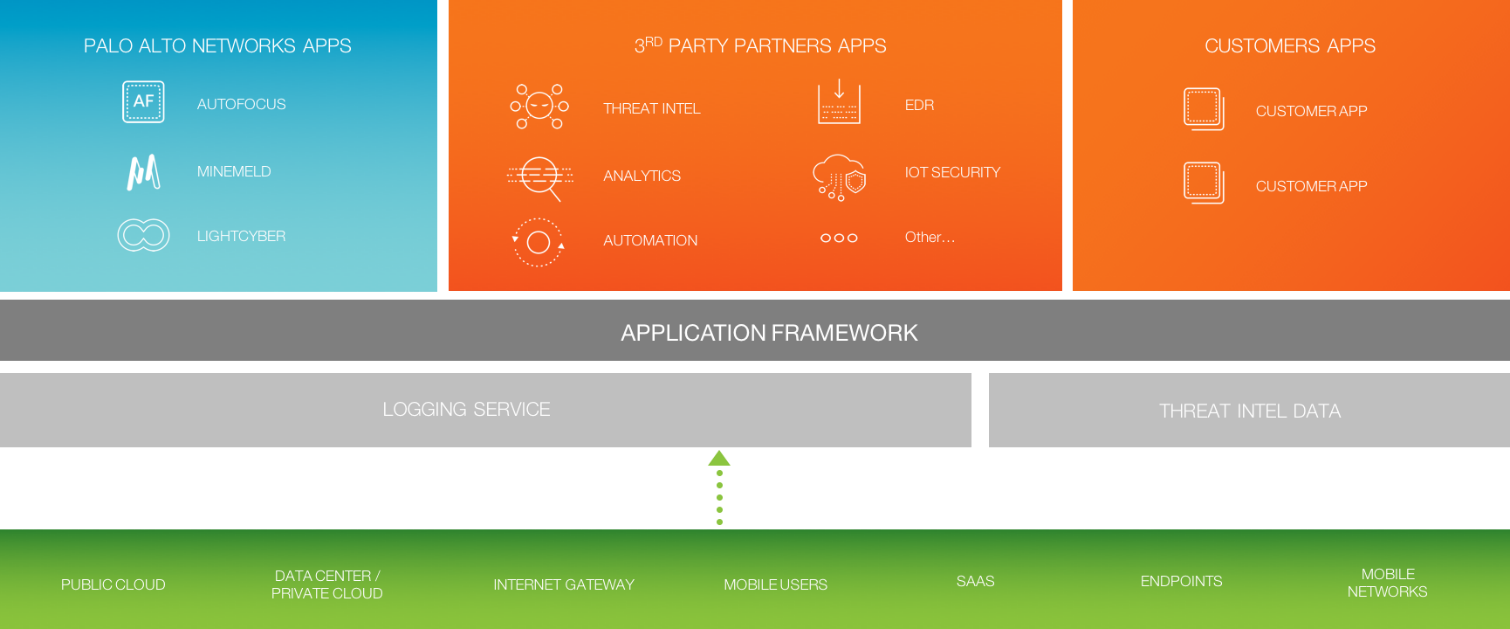
Yes mostly, but it also increases the dependency on the core Palo Alto Networks infrastructure. For example, what if a firewall loses connectivity to Panorama or to the syslog server (in this case, the logging service for the App Framework)? How do those issues percolate into the day to day of operations and engineering? There are best practices that should be in place, but the challenge remains: the operational health management of the PANW infrastructure needs to be further automated. Indeni automatically gathers context of the device and recognizes what operational risks to consider. For example, if you are using the application framework and have assigned for syslog server, Indeni tracks indications that the connectivity may fail at any point, whether it’s physical or networking issue. Check out this snapshot of what Indeni does out-of-the-box for Palo Alto Network devices.
Fostering and engaging in communities will improve any organization’s chance at achieving automation
Github, Reddit, StackExchange – they all have something in common besides distracting us at work. They share information, or domain knowledge, to connect engineers. These communities empower us to be more efficient at our jobs, build a professional brand, and gain access to cool side projects. For example, I know a number of PANW users that would like to automate PANW firewall back ups. If that is all you’re looking for, take a look at this GitHub thread.
So how does crowdsourcing from the community benefit Indeni and our end users? There was a question that EVERY engineer asked me during my booth demos that stuck with me – can Indeni track for CRC errors? I put my feelers into our Community and found that analyzing the data is rather hard. The community even brought to my attention several other maintenance challenges that I had not seen before. After this community conversation, I was confident in thinking “Indeni can automate these tasks in our platform”. I immediately brought this up to our R&D and begun scoping for our development lifecycle.
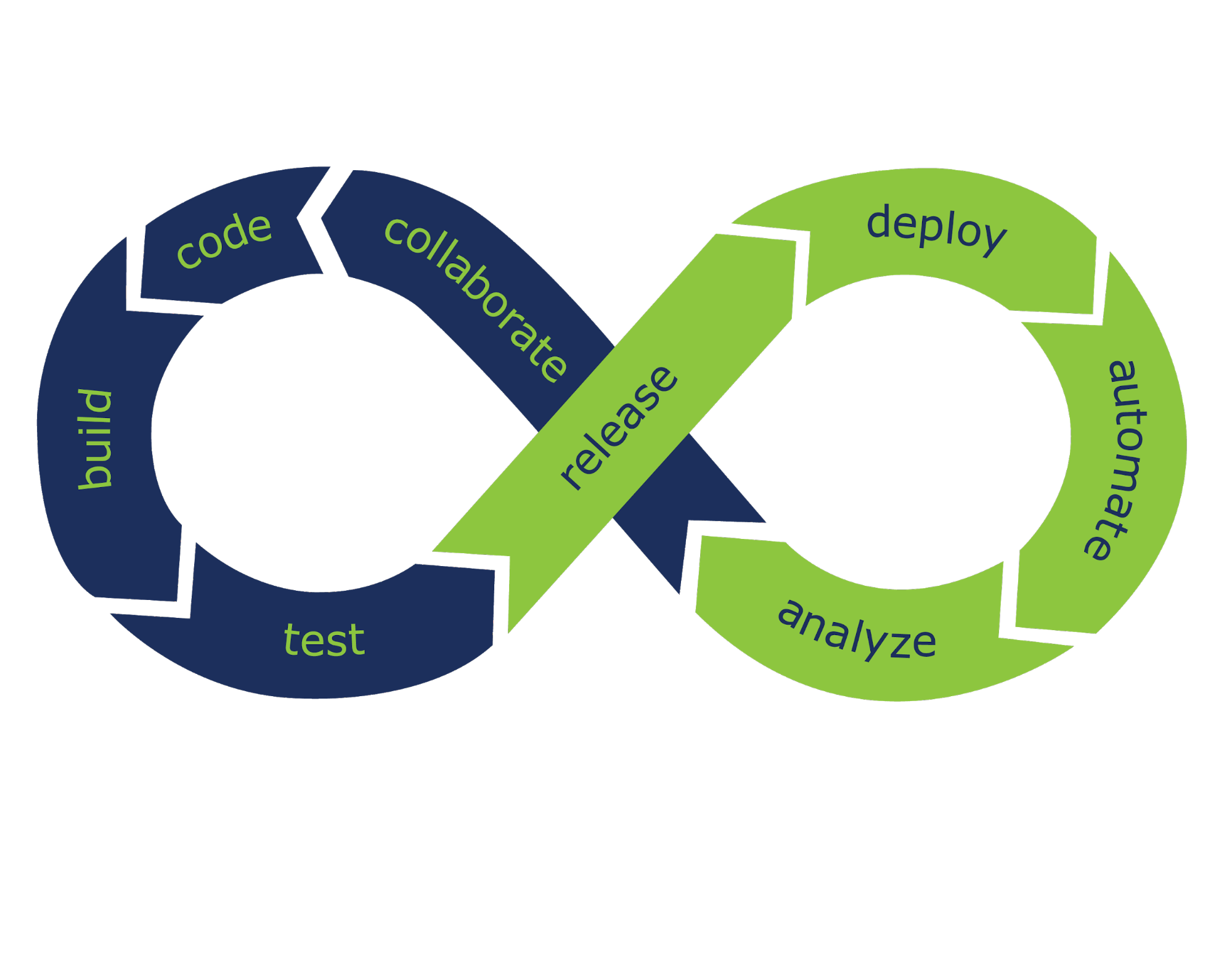
The problem that Indeni is trying to solve is simple – we want to lower the adoption curve by automating health management. We do this by crowdsourcing the knowledge from our own end users and community. Whether it is a question asked at our booth or through a POC, we scope all knowledge so it can be added into our platform. One of our resident PANW experts, Brad Spilde, and I will be demonstrating the complete crowdsourcing lifecycle – from ideation to reality – in our upcoming webinar. I look forward to talking with you all then!
Related content

Get answers from the LiveNX data you already have with LiveAssist
Learn how LiveAssist, the AI-powered add-on for LiveNX, turns your network data into fast, guided answers, with value you can see in days.

LiveWire GEN3 device offerings
BlueCat LiveWire is a packet capture and network forensics platform that provides deep packet-level visibility across hybrid enterprise environments to help…

Get total control of your DDI infrastructure with Micetro’s unified API
Stop juggling between network tools and use Micetro’s RESTful API for complete control over your DDI infrastructure and cloud environment.
BlueCat MCP servers bring network intelligence to your AI assistant
Our MCP servers provide a standard integration layer that makes it easy to connect the AI tools you already use to BlueCat products.