

Know the eight most common DNS record types
There are dozens of DNS record types. Understanding the most common ones can help you detect threats and keep on top of what's happening…
Read moreAn authoritative DNS server holds the original resource records for DNS zones and provides definitive answers for names within those zones without relying on cached data from other servers. These servers are critical infrastructure components that serve as the source of truth for every name an organization publishes, and their availability, consistency, and security directly impact whether users can resolve domain names and reach associated web servers, mail servers, and applications. Organizations must deploy at least two authoritative servers on separate networks for redundancy, maintain synchronized zone data across all servers, implement proper access controls and DNSSEC signing, and protect against denial-of-service attacks to ensure reliable DNS resolution.
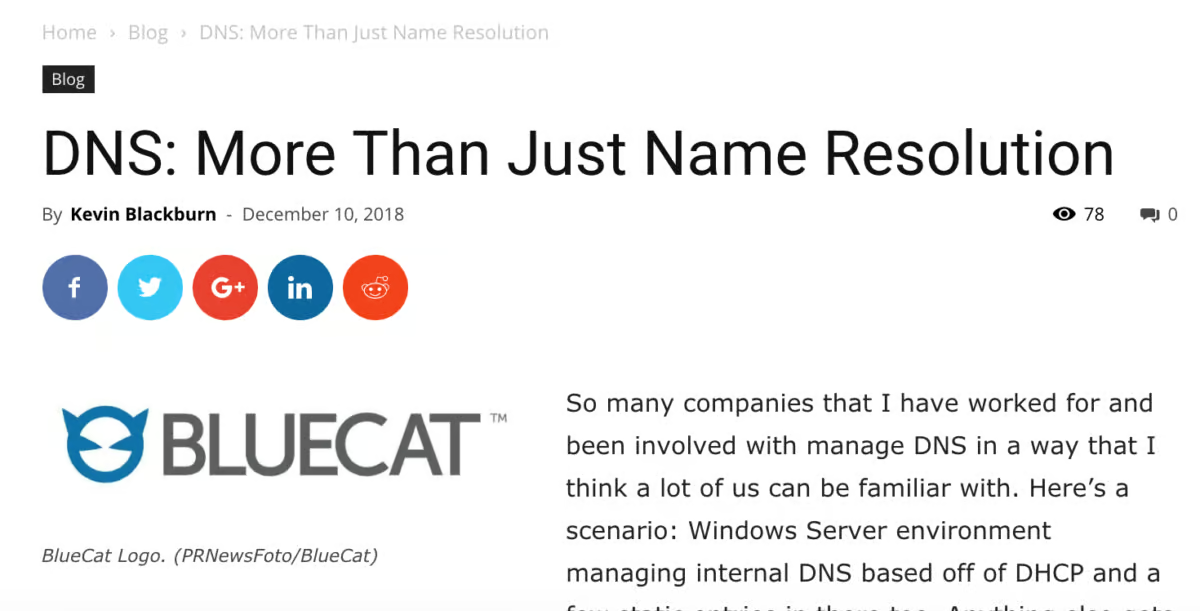
An authoritative server answers queries for the zones it is configured to serve. It is usually reached by a recursive resolver that is working through the DNS hierarchy on behalf of a client.
Zones are normally served by several authoritative servers for redundancy. In the traditional model, one primary server holds the master copy and secondary servers receive updates through zone transfers, as described in the DNS standards. The record time to live tells resolvers how long they may cache the answer.
The parent zone lists a name server in its NS records that does not actually serve the zone, or does not answer authoritatively. Resolvers see timeouts or SERVFAIL responses from that server and retry others, which adds latency and can cause intermittent failures.
A secondary server serves older data because zone transfers fail or the SOA serial was not incremented after an edit. Users get different answers depending on which name server a resolver happens to query.
An authoritative server that also answers recursive queries for any client can be abused in reflection and amplification attacks. Operators usually separate the authoritative and recursive roles or disable recursion on the authoritative side.
All name servers for a zone sit in one subnet, site or provider. An outage or routing problem there makes the whole zone unreachable once cached records expire.
Firewalls that allow only UDP port 53 break zone transfers and any response too large for UDP. Symptoms include failed transfers and resolvers that cannot retrieve large DNSSEC-signed answers.