

For DNS server caching, what is the ideal TTL?
Many factors affect how you decide to set time to live (TTL) for DNS servers. Learn more, plus how BlueCat Edge's TTL features can…
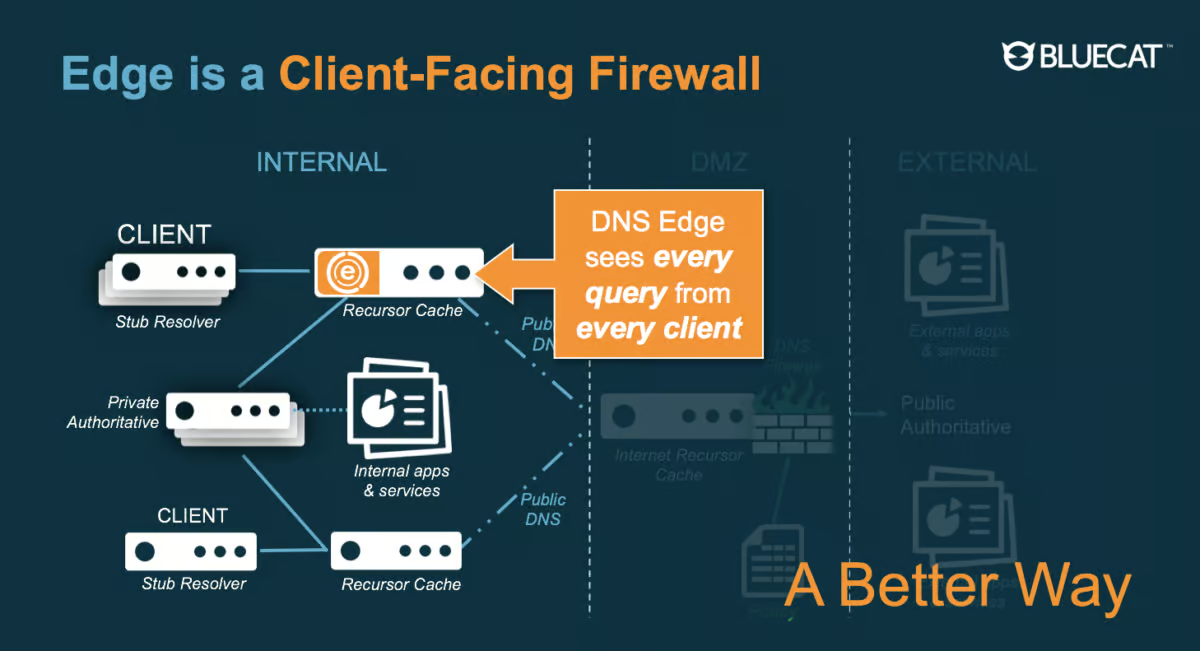
Read moreA caching DNS server resolves queries on behalf of client devices and stores answers in memory for reuse until the record's time to live (TTL) expires, reducing response times and offloading authoritative servers from repeated lookups. The server accepts recursive queries from clients, checks its cache for unexpired answers, and performs iterative resolution from root servers when needed, then caches and returns the result. Proper placement, capacity planning, security measures like DNSSEC validation and access controls, and redundant deployment are critical to preventing operational failures, cache poisoning attacks, and ensuring fast name resolution during peak demand in large networks.

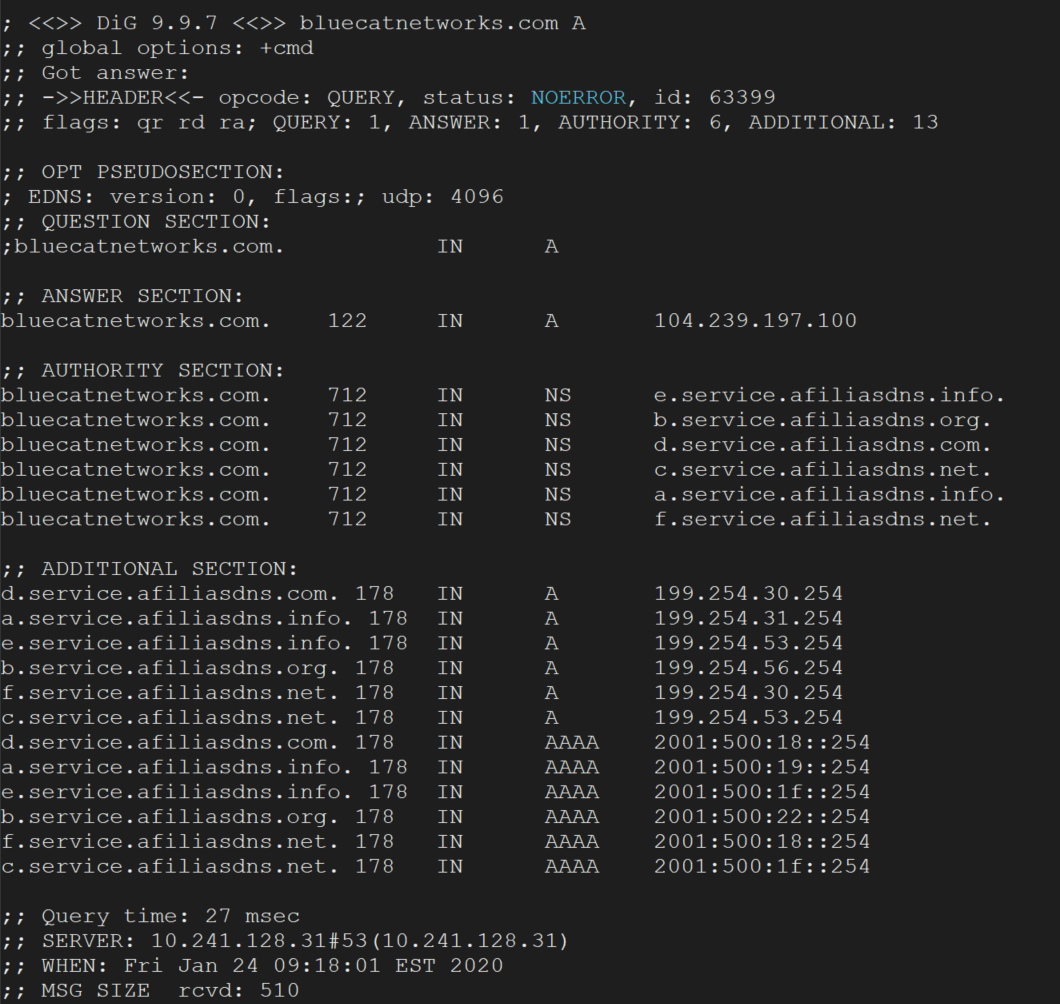
A caching DNS server accepts a recursive query from a client and either answers it from its cache or performs the lookup itself. Each answer it obtains is kept until the record's time to live (TTL) runs out.
Many deployments instead forward misses to an upstream resolver rather than resolving from the root. Cache size, TTL values and eviction policy affect how often the server must repeat lookups. Validation of DNSSEC signatures can also be performed at this server.
After a record is changed, clients keep receiving the old address until the cached TTL expires. This often shows up after migrations when long TTLs were not lowered ahead of the change.
When clients are given only one caching server through DHCP, its failure or overload breaks name resolution for the whole segment. Users report that applications are down although the network itself is reachable.
A resolver that accepts forged responses can store false records and send users to the wrong destination. Weak source port randomization and missing DNSSEC validation raise this risk.
A caching server that answers queries from any source address can be abused in amplification attacks. Symptoms include traffic spikes and outbound response volume far above normal client demand.
An undersized cache evicts entries early or the server slows under load. Query latency rises during peak periods, and the hit rate drops.